
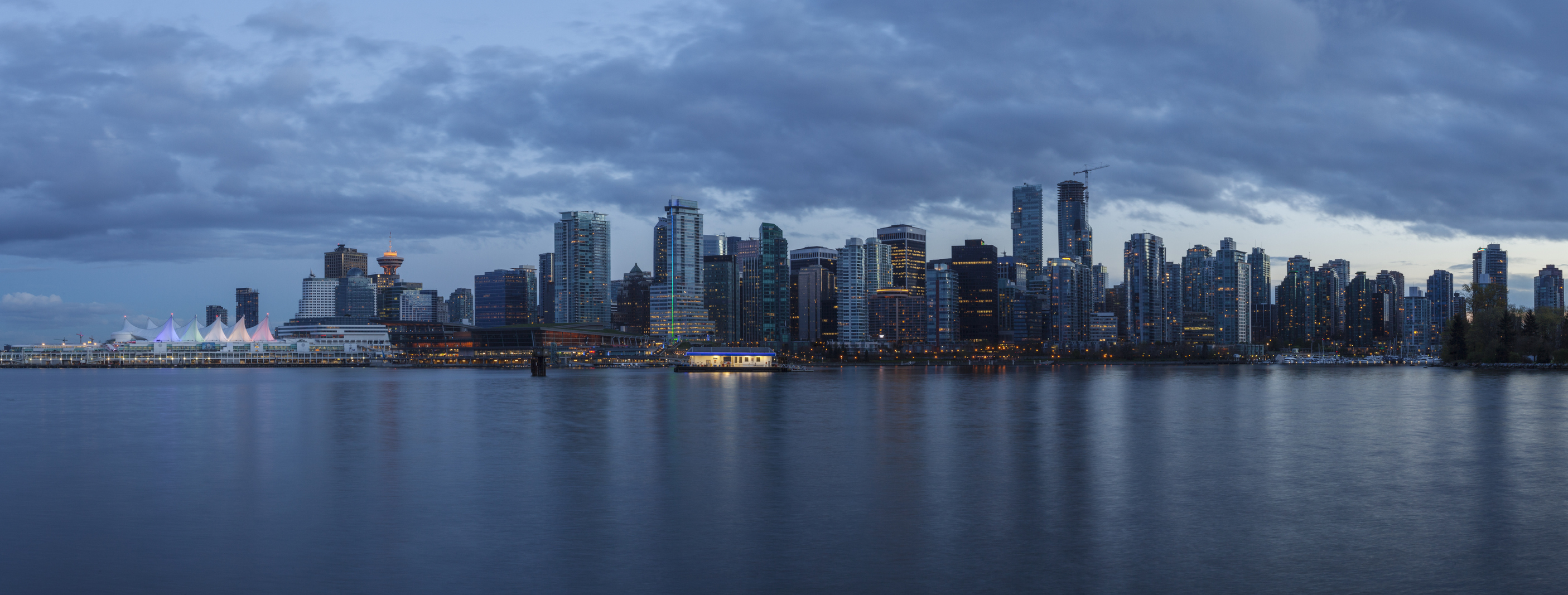
Selling a home in Vancouver is about more than putting a property on the MLS® and waiting for an offer. In a market where buyers have more inventory to compare, small mistakes in pricing, presentation, marketing, and negotiation can make a significant difference.
That is especially relevant in the current market. In August 2026, Metro Vancouver had 15,798 properties listed for sale, about 26.2% above the 10-year seasonal average. The composite benchmark price was $1,081,900, down 5.6% year over year.
If you're preparing to sell a home in Vancouver, here are 10 common mistakes to avoid.
1. Overpricing Your Home
One of the biggest mistakes Vancouver sellers can make is choosing a listing price based on what they hope to receive rather than what current market conditions support.
Buyers can easily compare your property with similar homes. An overpriced listing may receive fewer showings, sit on the market longer, and eventually require price reductions.
A strong pricing strategy considers recent comparable sales, active competition, neighbourhood trends, property condition, and current buyer demand.
2. Ignoring Current Market Conditions
The Vancouver real estate market can change quickly, and strategies that worked in a strong seller's market may not work today.
In August 2026, Metro Vancouver recorded 1,869 residential sales, 4.6% fewer than August 2025 and 20.7% below the 10-year seasonal average. The overall sales-to-active listings ratio was 12.3%.
Understanding the market before listing can help sellers set realistic expectations around price, timing, and negotiations.
3. Skipping Proper Home Preparation
First impressions matter.
Small improvements such as decluttering, deep cleaning, improving lighting, completing minor repairs, and creating a more neutral presentation can help buyers focus on the home's strongest features.
You don't necessarily need a major renovation. The goal is to make the property feel clean, well maintained, spacious, and ready for its next owner.
4. Using Poor Listing Photos
Most Vancouver buyers will see your property online before they ever step through the door.
Dark, cluttered, poorly composed photos can reduce interest before a showing is even booked. Professional real estate photography, thoughtful staging, floor plans, video, and virtual marketing can help your listing stand out against competing homes.
5. Making Showings Difficult
Limiting showing availability can reduce your potential buyer pool.
While sellers naturally need reasonable notice, making the home accessible for qualified buyers can create more opportunities for showings and offers.
The easier it is for serious buyers to experience your property, the better positioned you are to generate interest.
6. Focusing Only on the Highest Offer
The highest price isn't always the strongest offer.
Sellers should also consider financing conditions, inspection clauses, deposit amount, completion and possession dates, included items, and other terms.
A slightly lower offer with stronger terms may sometimes better align with a seller's priorities than a higher but heavily conditional offer.
7. Hiding Known Problems
Trying to conceal a known issue can create problems later in the transaction.
Transparency around material facts and available property documentation can help buyers make informed decisions and reduce the risk of surprises during due diligence.
For strata properties, buyers may also review documents such as Form B, strata minutes, financial statements, depreciation reports, bylaws, insurance information, and other available records.
8. Letting Emotions Drive Negotiations
Your home may hold years of memories, but buyers are evaluating it as a financial and lifestyle decision.
A low offer or critical feedback can feel personal, but emotional reactions can interfere with productive negotiations.
Evaluate offers based on price, terms, risk, timing, and your overall selling objectives.
9. Underestimating the Importance of Marketing
Putting a property on MLS® is only one part of a complete marketing strategy.
Strong Vancouver real estate marketing can include professional photography, compelling property descriptions, social media exposure, digital advertising, video, open houses, agent networking, email marketing, and targeted promotion.
The objective is simple: make sure qualified buyers know your home is available and understand what makes it worth seeing.
10. Selling Without a Clear Strategy
Every Vancouver property is different.
A downtown condo, East Vancouver detached home, Burnaby townhouse, and North Vancouver property may face completely different competition and buyer demand.
Before listing, sellers should have a clear plan covering pricing, preparation, marketing, showing strategy, offer evaluation, negotiation, and timing.
Selling a Home in Vancouver in 2026
Today's market gives buyers considerable choice. Metro Vancouver's August inventory remained well above its 10-year seasonal average, while benchmark prices were lower than a year earlier.
For sellers, that makes pricing, presentation, exposure, and strategy particularly important. Avoiding these common mistakes can help position your property more effectively and give you a clearer path from listing to completion.
If you're considering selling a home in Vancouver, the first step is understanding how your property compares with today's active listings and recent sales.
Let’s Stay Connected
Want more Vancouver insights and early listing access? Follow us:
Instagram | Facebook | X (Formerly Twitter) | SellVanHomes.ca | Linkedin
Begin your home search here: https://www.sellvanhomes.ca/idx
778-877-8807
Frederick Trudeau
Frederick Trudeau Real Estate Team
Heller Murch Realty
Posted by Frederick Trudeau on
Enjoy this blog post? Click here to subscribe for updates
Leave A Comment