New Westminster

As trusted real estate experts in New Westminster, we help buyers and sellers navigate a city that blends historic charm with urban convenience along the Fraser River. From heritage-style houses and contemporary condos to family-friendly townhomes, New Westminster offers diverse options to suit every lifestyle and budget. Our dedicated team, led by REALTOR® Frederick Trudeau, knows the local market inside and out, ensuring you receive expert guidance and the best value whether buying or selling. Ready to make your move in New Westminster?


Read More

boardwalk and city skyline in backgrond

Real Estate Statistics

Average Price $927K
Lowest Price $1.3K
Highest Price $9M
Total Listings 633
Avg. Price/SQFT $643

Property Types (active listings)


New Westminster Listings & Homes for Sale

Sort by:
New Open House
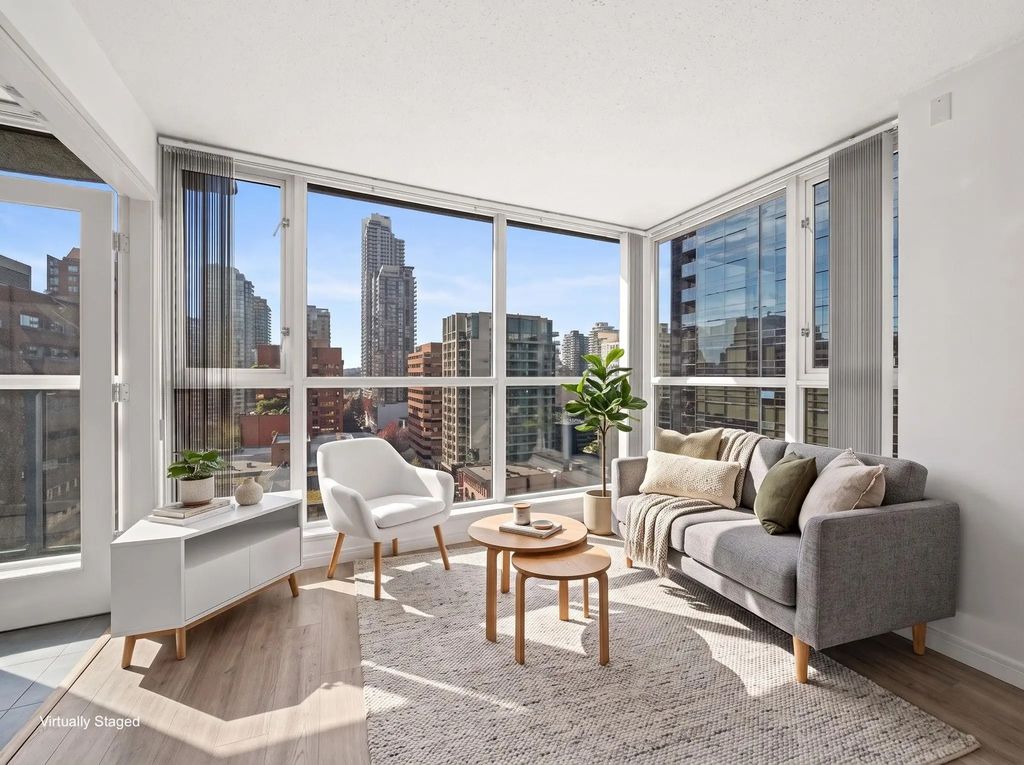
2033 W 7th Avenue 110, Vancouver

$488,000

2033 W 7th Avenue 110, Vancouver

1 Bed 1 Bath 483 SqFt Residential
Sat, Oct 10th, 2026 @ 1pm - 3pm
MLS® # R3174008

Heller Murch RealtyReal Estate Board of Greater Vancouver Logo

New
10462 Wiltshire Boulevard, Delta

$1,399,999

10462 Wiltshire Boulevard, Delta

4 Beds 3 Baths 2,954 SqFt Residential MLS® # R3174004

Dracco Pacific RealtyReal Estate Board of Greater Vancouver Logo

New
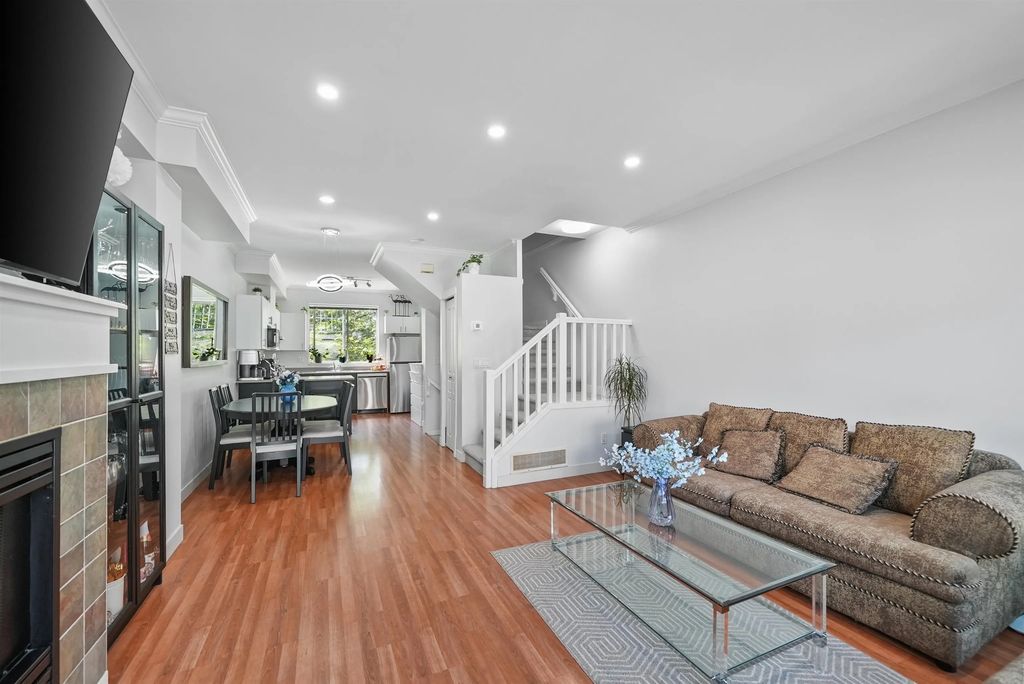
5525 Halley Avenue 7, Burnaby

$899,000

5525 Halley Avenue 7, Burnaby

3 Beds 2 Baths 1,260 SqFt Residential MLS® # R3173651

Nu Stream Realty Inc.Real Estate Board of Greater Vancouver Logo

New
1068 Hornby Street 1807, Vancouver

$525,000

1068 Hornby Street 1807, Vancouver

1 Bed 1 Bath 556 SqFt Residential MLS® # R3174002

Macdonald RealtyReal Estate Board of Greater Vancouver Logo

New
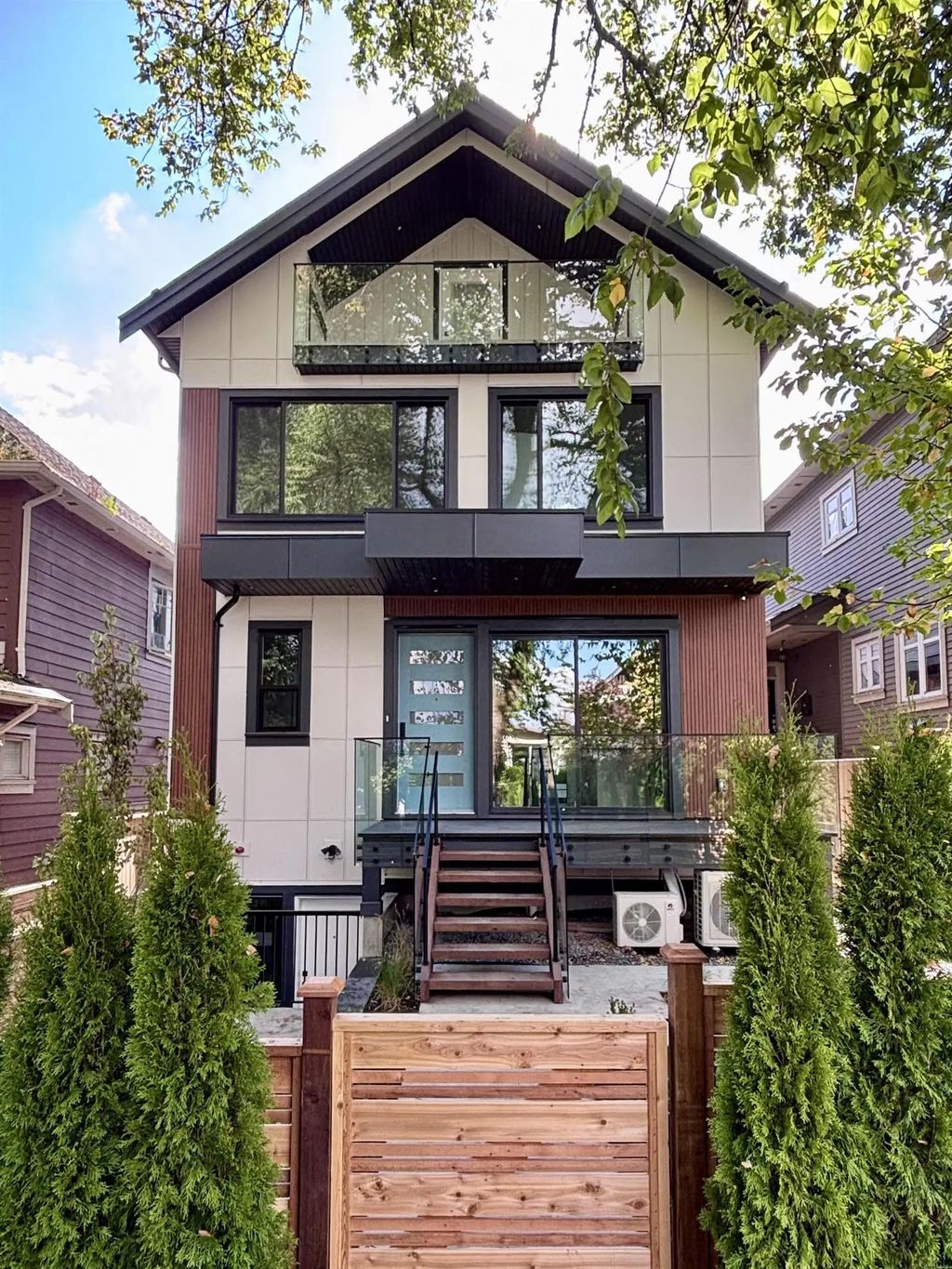
746 E 12th Avenue 1, Vancouver

$1,899,000

746 E 12th Avenue 1, Vancouver

5 Beds 5 Baths 1,634 SqFt Residential MLS® # R3173203

YPA Your Property AgentReal Estate Board of Greater Vancouver Logo

New
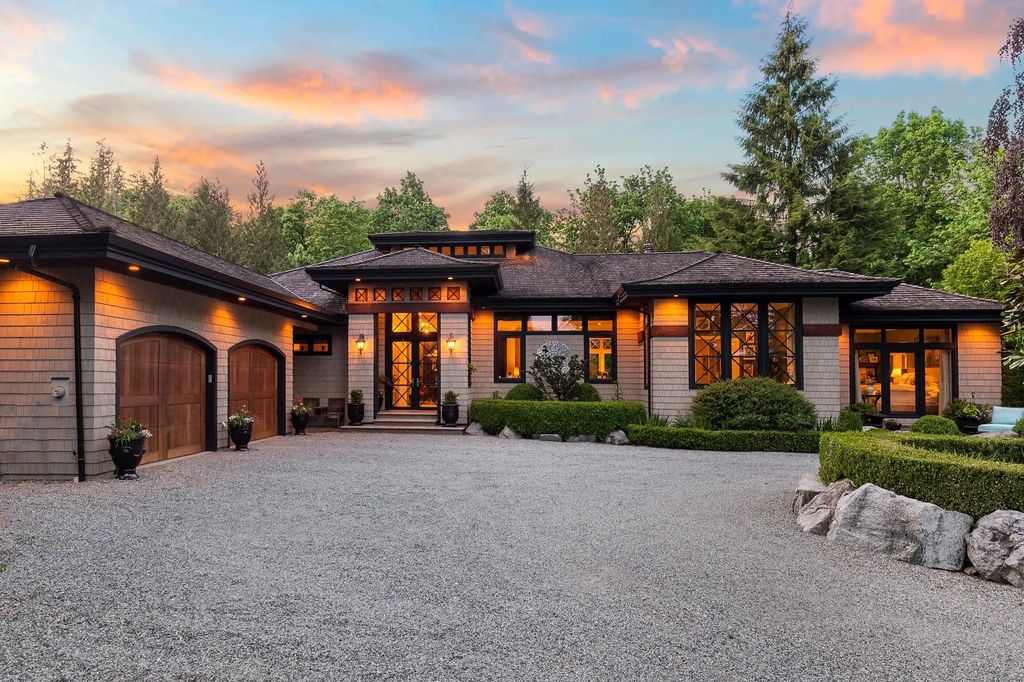
31999 Bench Avenue, Mission

$2,999,500

31999 Bench Avenue, Mission

5 Beds 4 Baths 6,955 SqFt Residential MLS® # R3172443

Royal LePage - WolstencroftReal Estate Board of Greater Vancouver Logo

New
2705 Eagle Peak Drive, Abbotsford

$1,950,000

2705 Eagle Peak Drive, Abbotsford

6 Beds 6 Baths 4,612 SqFt Residential MLS® # R3173299

Real Broker B.C. Ltd.Real Estate Board of Greater Vancouver Logo

New
33160 Plaxton Crescent 301, Abbotsford

$679,000

33160 Plaxton Crescent 301, Abbotsford

2 Beds 2 Baths 1,088 SqFt Residential MLS® # R3172125

Royal LePage - WolstencroftReal Estate Board of Greater Vancouver Logo

New
3110 Dayanee Springs Boulevard 302, Coquitlam

$638,000

3110 Dayanee Springs Boulevard 302, Coquitlam

2 Beds 2 Baths 919 SqFt Residential MLS® # R3174003

Royal Pacific Realty Corp.Real Estate Board of Greater Vancouver Logo

New Open House
8383 159 Street 30, Surrey

$669,000

8383 159 Street 30, Surrey

3 Beds 2 Baths 1,324 SqFt Residential
Sun, Oct 11th, 2026 @ 2pm - 4pm
MLS® # R3172553

LPT Realty ULCReal Estate Board of Greater Vancouver Logo

New
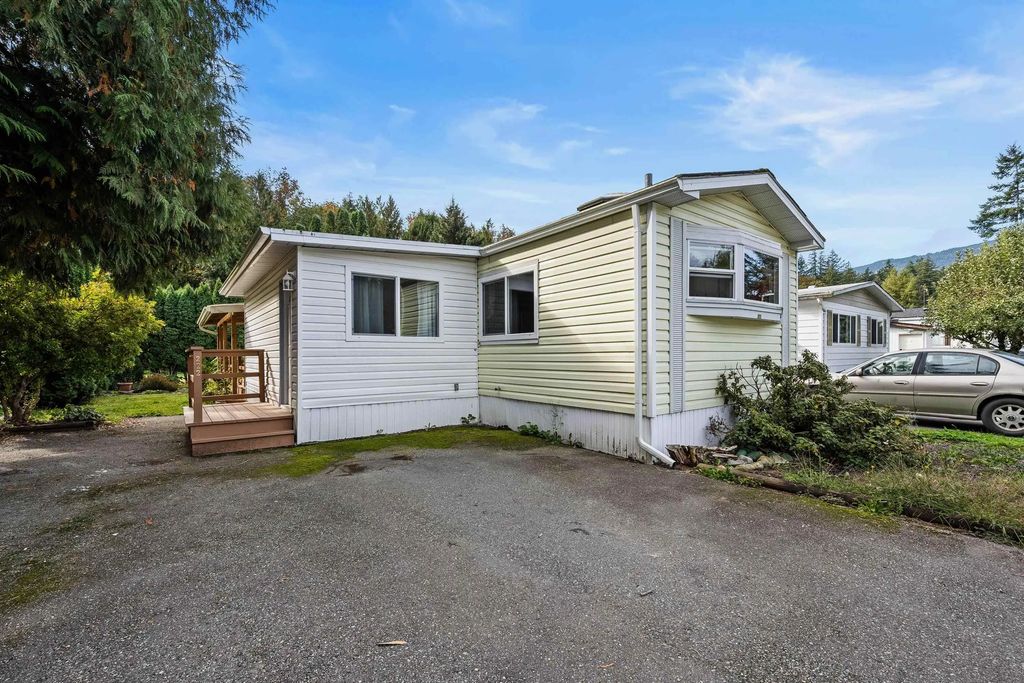
45835 Sleepy Hollow Road 222, Cultus Lake

$249,900

45835 Sleepy Hollow Road 222, Cultus Lake

2 Beds 2 Baths 1,162 SqFt Residential MLS® # R3173966

Real Broker BC LtdReal Estate Board of Greater Vancouver Logo

New
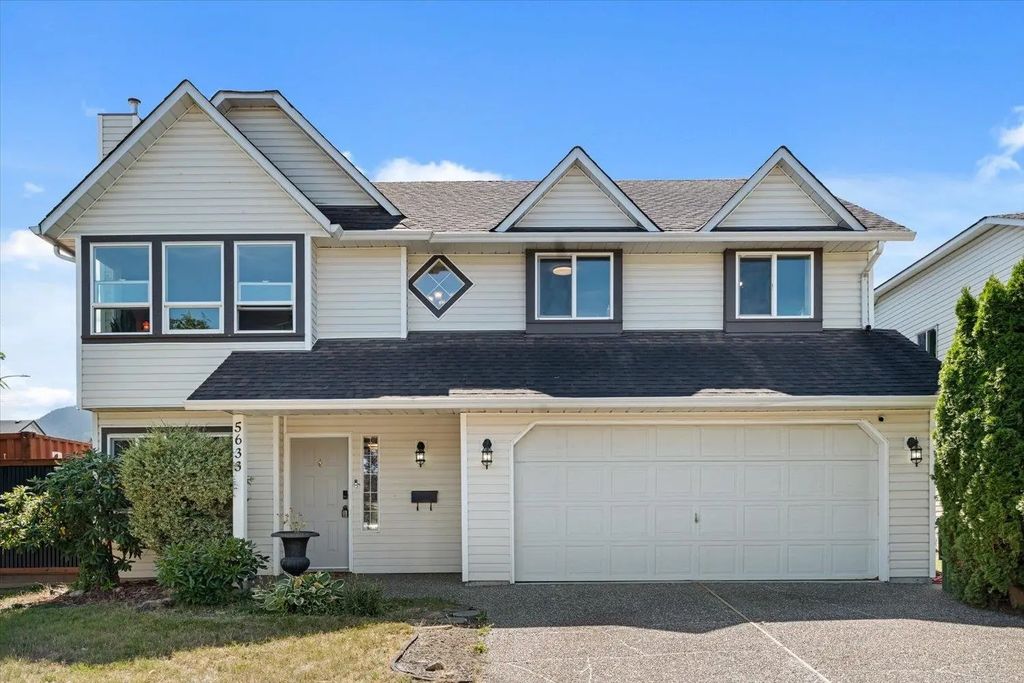
5633 Kathleen Drive, Chilliwack

$799,900

5633 Kathleen Drive, Chilliwack

5 Beds 3 Baths 1,827 SqFt Residential MLS® # R3173844

Homelife Advantage Realty LtdReal Estate Board of Greater Vancouver Logo


New Westminster Real Estate and Homes for Sale

New Westminster has a character that is difficult to replicate elsewhere in Metro Vancouver. Its history, compact street network, hillside setting, and long connection to the Fraser River give the city a distinct identity.

Known locally as New West, the city combines historic homes, established residential neighbourhoods, waterfront condominiums, transit-oriented high-rises, townhomes, and newer infill housing. It feels urban without being overwhelming, and many of its neighbourhoods remain closely connected to parks, independent businesses, community facilities, and rapid transit.

New Westminster is also relatively compact. That makes it possible to live near the river, a SkyTrain station, a commercial district, and an established residential neighbourhood without travelling far. At the same time, the city’s hills, bridges, rail corridors, heritage areas, and different housing eras mean that each neighbourhood needs to be evaluated on its own terms.

A buyer looking for a waterfront condominium may focus on the Quay. Someone drawn to historic architecture may explore Queen’s Park. Families seeking newer townhomes and larger garages may consider Queensborough, while buyers who prioritize access to Royal Columbian Hospital and rapid transit may look toward Sapperton.

There is no single New Westminster real estate market. Property type, building age, elevation, transit access, heritage considerations, and proximity to the river can all influence value and long-term ownership.

Understanding the New Westminster Housing Market

New Westminster’s housing stock reflects more than a century of development.

In Queen’s Park and parts of Sapperton, West End, and Brow of the Hill, buyers will find character homes, Craftsman houses, post-war bungalows, converted heritage properties, and newer infill homes.

Along the Quay and throughout Downtown, condominiums dominate the market. These range from established concrete towers and terraced waterfront buildings to newer high-rises positioned close to SkyTrain stations.

Uptown offers an especially varied selection. The neighbourhood includes mid-century apartment buildings, larger concrete condominiums, modern towers, townhomes, and residential streets within walking distance of shops and services.

Queensborough has a different feel altogether. Located on Lulu Island, it includes newer subdivisions, townhome communities, low-rise condominiums, detached homes, and waterfront properties.

This variety gives buyers more choices, but it also makes direct comparisons difficult. A large 1980s condominium in Uptown should not be evaluated in the same way as a newer unit beside New Westminster Station. A restored Queen’s Park home has different ownership considerations from a recently built townhouse in Queensborough.

Choosing the right neighbourhood should begin with lifestyle and long-term plans. Walkability, commute, building maintenance, heritage restrictions, stairs, river exposure, parking, and future development may matter as much as the number of bedrooms.

Queen’s Park

Queen’s Park is one of New Westminster’s most recognizable residential neighbourhoods.

Its streets are lined with mature trees and an unusually rich collection of Victorian, Edwardian, Queen Anne, and Craftsman architecture. Many homes date from the late nineteenth century through the early decades of the twentieth century.

Original architectural details may include stained glass, covered porches, decorative woodwork, fir flooring, high ceilings, traditional millwork, and stone or masonry foundations. Some properties have been extensively restored, while others have been updated gradually over several generations.

The neighbourhood’s historic character is protected through a Heritage Conservation District framework. This helps preserve the streetscape, but it can also affect what an owner is permitted to change on the exterior of a property.

Buyers should not assume that a renovation, addition, window replacement, or redevelopment plan will be straightforward. Heritage requirements, municipal permits, building-code considerations, and the condition of the existing structure should all be reviewed before committing to a project.

Older homes also require specialized inspections. Electrical systems, plumbing, foundations, drainage, roofing, insulation, chimneys, and previous renovations may need more attention than they would in a newer property.

Queen’s Park can be an excellent fit for buyers who value craftsmanship, architectural history, established gardens, and a strong sense of place. It may be less suitable for someone who wants low-maintenance ownership or unrestricted redevelopment flexibility.

For sellers, original character features can be a major advantage when they are well maintained and clearly documented. Buyers often respond to authentic details, especially when those details are paired with thoughtful mechanical and electrical updates.

The Quay and Quayside

The Quay provides one of New Westminster’s most distinctive residential settings.

Built along the Fraser River, the neighbourhood includes concrete high-rises, terraced condominium buildings, and waterfront residences positioned around Quayside Drive and the riverfront boardwalk.

Many homes offer views of the river, passing tugboats, bridges, industrial activity, and distant mountains. The working character of the Fraser River is part of the experience. It is not a still waterfront, and that movement gives the neighbourhood much of its personality.

Residents have convenient access to the boardwalk, River Market, Westminster Pier Park, shops, restaurants, and nearby transit.

The Quay often appeals to downsizers, professionals, couples, and buyers who want a walkable condominium lifestyle. Some buildings offer larger floor plans than buyers may find in more recently constructed high-rises.

Building age and maintenance history vary considerably. Buyers should review the strata corporation’s financial position, depreciation planning, building-envelope work, elevators, plumbing, parkade systems, balconies, and insurance coverage.

Waterfront exposure also deserves attention. Moisture management, exterior maintenance, parkade drainage, sump systems, and building-envelope performance may be especially important in properties close to the river.

Views should be evaluated carefully as well. Future development, neighbouring buildings, trees, and the position of the unit within the tower may affect what is protected over time.

Downtown New Westminster

Downtown New Westminster combines historic commercial buildings with modern residential density.

Columbia Street reflects the city’s earlier commercial history through its brick façades and established storefronts. Nearby streets such as Carnarvon, Agnes, and Clarkson contain high-rise condominiums, rental buildings, restaurants, offices, shops, and transit connections.

Several residential developments are located directly beside or above SkyTrain stations. This makes Downtown particularly convenient for buyers who commute to Vancouver, Burnaby, Surrey, or other parts of the region.

The neighbourhood can suit buyers who want an urban lifestyle but prefer a smaller city centre than Downtown Vancouver. Daily errands, restaurants, entertainment, transit, and waterfront paths can often be reached on foot.

Downtown living also comes with practical considerations. Buyers should assess train noise, road traffic, construction, nightlife activity, building access, visitor parking, and the route between the property and the nearest station.

Elevation can make a difference. New Westminster’s streets rise sharply away from the river, so two homes that appear close together on a map may offer very different walking experiences.

Condominium buyers should review the legal status of parking and storage rather than relying only on marketing materials. A stall or locker may be assigned, designated as limited common property, or held under another arrangement.

Uptown New Westminster

Uptown serves as one of New Westminster’s main commercial and residential centres.

The neighbourhood is centred around Sixth Street and Sixth Avenue, with access to grocery stores, medical services, restaurants, shops, schools, parks, and everyday conveniences.

Housing is varied. Buyers will find older wood-frame apartment buildings, spacious concrete condominiums, modern high-rises, townhome developments, and nearby detached homes.

One of Uptown’s main attractions is the amount of interior space available in some established buildings. Older concrete condominiums may offer larger living rooms, separate dining areas, full-sized bedrooms, enclosed balconies, and more storage than newer properties at a similar price point.

That additional space can be valuable, but buyers should also examine the age of major building systems. Elevators, plumbing, roofs, windows, balconies, parkades, and exterior components may require significant investment over time.

Uptown can work well for downsizers who want to remain close to services, first-time buyers looking for more space, and households that value walkability without needing to live directly beside the waterfront.

Traffic and noise vary by street. Properties near major commercial corridors may be convenient but busier, while homes a few blocks away may feel more residential.

Sapperton

Sapperton is one of New Westminster’s oldest neighbourhoods and one of its most active areas of change.

Royal Columbian Hospital is a major presence in the community. The hospital and its continuing redevelopment have contributed to demand from medical professionals, hospital employees, students, and households that want to live near a major healthcare centre.

The Brewery District has introduced high-rise housing, offices, shops, services, public spaces, and transit-oriented development beside Sapperton SkyTrain Station.

Outside the newer developments, Sapperton retains an established residential character. Buyers may find worker cottages, character homes, renovated detached properties, duplexes, infill housing, and quieter streets within walking distance of transit and local businesses.

This combination creates a neighbourhood with several different buyer groups. Condominium purchasers may be focused on transit and convenience. Families may be more interested in residential streets and detached homes. Investors may be drawn to housing demand associated with the hospital and surrounding employment.

Buyers should consider future construction, hospital-related traffic, street parking, train noise, and planned neighbourhood changes.

Character homes in Sapperton may require the same type of due diligence as older properties elsewhere in New Westminster. Permit history, foundations, electrical systems, plumbing, drainage, and previous additions should all be examined.

West End and Brow of the Hill

West End and Brow of the Hill sit between several of New Westminster’s busier urban areas while maintaining their own residential identities.

Brow of the Hill is located on the slope between Uptown and Downtown. Its housing includes low-rise apartment buildings, converted heritage homes, condominiums, duplexes, and detached properties.

The hillside setting gives some homes views toward the Fraser River and surrounding city. It can also create steep walking routes, sloped lots, retaining walls, and properties with multiple levels of access.

West End is generally quieter and more residential. Housing includes post-war bungalows, mid-century split-level houses, renovated family homes, and newer custom construction.

The neighbourhood can appeal to buyers who want detached-home living while remaining reasonably close to transit, schools, shops, and major routes.

Older properties should be evaluated carefully. Drainage, sewer connections, buried oil tanks, electrical systems, plumbing, roofing, foundations, and the condition of additions or secondary suites may all require investigation.

For families, school catchments should be confirmed directly with the appropriate school district. Boundaries and enrolment procedures can change, and an old listing description may no longer be accurate.

Queensborough

Queensborough offers a residential environment that feels different from mainland New Westminster.

Located on the eastern portion of Lulu Island, the neighbourhood includes newer detached homes, townhome communities, low-rise condominiums, waterfront residences, and loft-style developments.

Many buyers are drawn to Queensborough for newer construction, open layouts, private garages, additional storage, and ground-oriented living. Some townhomes provide more space than a typical condominium while remaining more manageable than a detached house.

The neighbourhood can suit families, multigenerational households, and buyers who want newer housing at a price that may compare favourably with similar properties elsewhere in Metro Vancouver.

Transportation is an important consideration. Access to the mainland depends heavily on the Queensborough Bridge and connecting road network. Buyers should test commute times during the hours they expect to travel.

The pedestrian ferry connection to the Quay can provide an alternative for certain trips, but buyers should still consider how they will manage work, school, shopping, and daily errands.

Riverfront properties and lower-lying areas may require additional attention to drainage, insurance, site conditions, and building maintenance.

Townhome purchasers should review strata documents, visitor parking, insurance deductibles, exterior maintenance responsibilities, rental rules, pet bylaws, and plans for future repairs.

New Westminster Condos

New Westminster offers condominiums from several construction periods.

Downtown and the Quay contain established concrete towers, terraced waterfront buildings, and newer high-rises. Uptown includes larger older units, mid-rise buildings, and modern towers. Sapperton offers transit-oriented developments near the hospital and SkyTrain.

Older concrete condominiums may provide more interior space and practical room sizes. Newer buildings may offer contemporary finishes, open layouts, fitness facilities, lounges, concierge services, and modern building systems.

Neither option is automatically better.

A newer building may have higher strata fees due to amenities or may still be working through warranty issues. An older building may have completed major upgrades and developed a strong financial plan, or it may be approaching expensive repairs.

Buyers should review meeting minutes, depreciation reports, engineering documents, financial statements, insurance information, bylaws, and contingency reserve fund balances.

Particular attention should be paid to elevators, plumbing, parkades, balconies, exterior walls, roofs, windows, and water-management systems.

Parking, storage, pet rules, electric-vehicle charging, rentals, short-term accommodation restrictions, and move-in procedures can also affect whether a property is a good fit.

Heritage and Character Homes

Character housing is an important part of New Westminster’s identity.

Victorian, Edwardian, Queen Anne, Craftsman, and post-war homes can be found throughout Queen’s Park, Sapperton, West End, and other established residential areas.

These properties often offer details that are difficult to reproduce in new construction. High ceilings, original wood floors, traditional trim, porches, leaded or stained glass, and distinctive exterior proportions can create a strong emotional connection.

They may also require a greater level of maintenance.

Buyers should work with inspectors and professionals who understand older construction. Knob-and-tube wiring, galvanized plumbing, stone foundations, settlement, drainage, insulation, additions, and historic renovations may require specialized review.

Heritage status and conservation requirements should be investigated before purchase. The rules affecting one property may be different from those affecting another home on the same street.

Sellers can strengthen buyer confidence by organizing permits, renovation records, inspection reports, invoices, and information about major system upgrades.

The goal should not be to make an older home appear new. It should be to demonstrate how the property’s character has been preserved and how its essential systems have been maintained.

Townhomes, Duplexes and Middle Housing

Townhomes, duplexes, and multiplex properties provide an important alternative between condominiums and detached homes.

Queensborough contains many newer townhome communities. Townhouses and ground-oriented properties can also be found in Uptown, Sapperton, and other parts of the city.

These homes often appeal to families, downsizers, and buyers who want a private entrance, multiple levels, outdoor space, and more separation between living and sleeping areas.

Layout matters. A townhome with useful storage, direct garage access, a functional main floor, and bedrooms on one level may work better than a larger property with awkward stairs and limited outdoor space.

Buyers should understand whether the home is part of a strata corporation and which components are privately owned or jointly maintained.

Roofing, exterior walls, windows, landscaping, fences, driveways, insurance, and utility systems may be managed differently from one development to another.

Duplex and multiplex buyers should also confirm how shared components are maintained and insured. Informal assumptions between neighbouring owners can create problems later if responsibilities are not clearly documented.

Infill Housing and Development Potential

New Westminster has introduced policies intended to allow more housing within existing neighbourhoods.

The city’s infill framework may permit duplexes, triplexes, fourplexes, multiplexes, secondary suites, and laneway or carriage-style homes on qualifying properties.

Some areas have also been identified for townhouse development, particularly where multiple properties can be assembled to support ground-oriented housing.

Transit-oriented development policies encourage additional density near the city’s SkyTrain stations. These areas include land around 22nd Street, New Westminster, Columbia, Sapperton, and Braid stations.

Properties closer to rapid transit may have potential for mid-rise or high-rise development, depending on location, lot assembly, municipal planning, servicing, and other requirements.

Development potential should never be assumed from a listing description.

Lot dimensions, frontage, lane access, existing buildings, trees, utilities, easements, heritage status, parking, road access, and municipal policies can all affect what is possible.

Buyers considering redevelopment should verify current regulations directly with the City of New Westminster and obtain appropriate planning, legal, architectural, and engineering advice.

Sellers should also avoid presenting possible density as guaranteed. Accurate lot information, surveys, zoning details, and professional planning analysis can help buyers evaluate the opportunity more confidently.

Waterfront Parks and Green Spaces

New Westminster has transformed much of its riverfront into a public space for walking, recreation, and community events.

Westminster Pier Park extends along the Fraser River and includes lawns, seating areas, play spaces, recreation facilities, and places to stop and watch the activity on the water.

The Quay boardwalk provides a vehicle-free route along the riverfront and connects several of the city’s better-known public destinations.

Queen’s Park is one of the city’s largest and most established green spaces. It includes sports facilities, wooded paths, community amenities, play areas, and recreational spaces.

Moody Park serves Uptown and surrounding neighbourhoods with sports fields, community facilities, gardens, courts, and seasonal recreation.

These parks contribute to New Westminster’s walkability and quality of life. Even residents living in higher-density neighbourhoods can often reach a park, trail, or public gathering place without travelling far.

For buyers, proximity to green space should be considered alongside noise, event activity, parking, and the route between the property and the park.

Culture, Dining and Community Life

New Westminster’s history remains visible in its buildings, cultural spaces, and public events.

River Market provides food vendors, small businesses, and community activity along the waterfront.

The Anvil Centre serves as a cultural and civic destination in Downtown New Westminster, with performance, museum, gallery, and community spaces.

Columbia Street retains many historic commercial façades and is home to independent cafés, shops, restaurants, breweries, and entertainment venues.

Seasonal festivals, parades, outdoor performances, markets, and waterfront events contribute to the city’s community atmosphere.

New Westminster can feel more locally focused than some larger urban centres. Residents often return to the same shops, restaurants, parks, and public spaces, which helps individual neighbourhoods maintain a sense of familiarity.

Transportation and SkyTrain Access

Transportation is one of New Westminster’s strongest practical advantages.

The city is served by five SkyTrain stations: 22nd Street, New Westminster, Columbia, Sapperton, and Braid.

New Westminster Station is integrated with shops, services, restaurants, and nearby residential towers. Columbia Station serves as an important transfer point for Expo Line travel. Sapperton Station provides access to the Brewery District and Royal Columbian Hospital, while Braid and 22nd Street connect with regional bus routes and surrounding employment areas.

This concentration of rapid transit gives many residents an alternative to driving.

Buyers should still evaluate the exact route from a property to the station. New Westminster’s hills can make a short distance feel longer, particularly for anyone with mobility concerns, young children, or heavy shopping.

Train noise can also vary considerably. A property close to the tracks may provide excellent convenience but experience sound, vibration, or activity that is not obvious during a brief daytime viewing.

Vehicle travel depends on several busy corridors and bridge connections. The Pattullo Bridge and Queensborough Bridge are especially important for regional access.

Commute times should be tested during normal travel hours. Construction, bridge traffic, rail crossings, and local road patterns can all affect the daily experience.

What New Westminster Buyers Should Consider

Buying in New Westminster requires due diligence that reflects the age, location, and type of property.

For older detached homes, buyers should investigate the foundation, drainage, electrical system, plumbing, roof, insulation, sewer connection, buried oil tanks, and permit history.

Character and heritage homes may involve additional municipal requirements. Buyers should confirm what changes are permitted before making renovation plans.

For waterfront condominiums, strata documents should be reviewed for building-envelope maintenance, moisture management, parkade drainage, sump systems, elevators, balconies, insurance, and depreciation planning.

Properties near SkyTrain can offer excellent convenience, but buyers should visit at different times to evaluate train noise, traffic, pedestrian activity, lighting, and construction.

New Westminster’s terrain also matters. Steep streets, stairs, retaining walls, driveway grades, and access from the rear lane can affect everyday use.

Buyers considering a property for infill or redevelopment should not rely on broad zoning summaries. Site-specific municipal confirmation is essential.

School catchments should be verified directly when they are important to the purchase. Boundaries and program availability may change.

The best neighbourhood will depend on daily routine. A waterfront condo may suit someone commuting by SkyTrain, while a family seeking a yard and quieter street may prefer West End or Sapperton. A buyer drawn to historic architecture may accept the additional maintenance associated with Queen’s Park.

What New Westminster Sellers Should Consider

Selling a New Westminster property begins with identifying its most likely buyer.

A Quayside condominium may need to be positioned around river views, boardwalk access, building quality, parking, storage, and interior space.

A Downtown property may appeal most strongly to buyers who value transit, walkability, restaurants, and immediate access to shops and services.

An Uptown condominium can often be differentiated through its larger rooms, practical layout, established strata history, and proximity to everyday amenities.

A Queen’s Park home should be marketed around its architectural character, craftsmanship, lot, restoration work, and documented upgrades. Original features should be presented clearly rather than hidden behind generic staging.

Sapperton sellers may benefit from emphasizing access to the hospital, SkyTrain, neighbourhood services, and the balance between older residential streets and newer development.

Queensborough properties may attract buyers looking for newer construction, garages, townhome living, and additional space. Transportation and location should still be presented accurately.

Documentation can make a significant difference. Renovation permits, maintenance invoices, strata records, surveys, heritage information, suite details, and reports on major improvements can help buyers make decisions with greater confidence.

Potential for multiplex, townhouse, or transit-oriented development may add value, but only when supported by reliable information. Sellers should avoid presenting preliminary possibilities as approved entitlements.

Pricing should reflect the immediate micro-market. A waterfront high-rise should not be compared casually with an Uptown low-rise. A restored heritage home should not be valued only by lot size. Building condition, elevation, views, heritage restrictions, transit access, and future development can all influence value.

Finding the Right New Westminster Neighbourhood

New Westminster offers an unusual combination of history, urban convenience, riverfront living, transit access, and established residential communities.

Queen’s Park appeals to buyers who appreciate historic architecture and mature streets. The Quay offers waterfront condominium living and access to the boardwalk. Downtown provides density, entertainment, and rapid transit.

Uptown offers practical access to shops, services, parks, and a broad range of condominium styles. Sapperton combines character housing, hospital-related employment, transit, and ongoing development.

West End and Brow of the Hill provide established residential options with access to surrounding commercial areas. Queensborough offers newer townhomes, detached houses, garages, and a more suburban atmosphere.

The right choice depends on how you expect to live in the property. Commute, walkability, hills, building age, maintenance, heritage considerations, parking, and long-term plans should all be weighed carefully.

Whether you are buying your first New Westminster condominium, moving into a larger family home, investing, downsizing, or preparing a property for sale, thoughtful local guidance can help you make a more informed decision.

Contact our team to discuss your goals and develop a buying or selling strategy suited to your preferred neighbourhood, property type, budget, and timeline.

FAQs

What makes New Westminster a great place to buy real estate?

New Westminster offers outstanding value within Metro Vancouver, combining riverside charm, a vibrant historic downtown, excellent SkyTrain access on multiple lines, diverse property types from condos to single-family homes, strong community character, proximity to both Vancouver and Burnaby, and a growing dining and arts scene, making it especially attractive for first-time buyers and families.

What types of properties are available in New Westminster?

New Westminster offers a range of property types including modern condos and high-rises in the downtown core, townhouses in Queensborough and Sapperton, single-family detached homes in established neighborhoods like Queens Park and Glenbrooke North, and new developments across the city, with prices generally more accessible than neighboring Vancouver and Burnaby.

What are New Westminster's most popular neighborhoods?

New Westminster's most popular neighborhoods include Queens Park (heritage homes and leafy streets), Sapperton (character homes near Royal Columbian Hospital), Queensborough (waterfront townhouses and new builds), Uptown (convenient urban living), Glenbrooke North (family-friendly established area), and the Downtown core (condos with SkyTrain access and river views).

Why choose Frederick Trudeau's team for New Westminster real estate?

Frederick Trudeau's team offers expert knowledge of New Westminster's diverse neighborhoods, from the heritage charm of Queens Park to the waterfront appeal of Queensborough, providing personalized service, expert negotiation, and comprehensive support for buyers and sellers throughout this historic riverside city.

What services does the Frederick Trudeau Real Estate Team provide in New Westminster?

The team provides buyer representation, seller representation, MLS® listing search support, local market insight, home valuation guidance, pricing strategy, property marketing, offer review, negotiation, and transaction support for New Westminster buyers and sellers.

What areas does the Frederick Trudeau Real Estate Team serve in New Westminster?

The Frederick Trudeau Real Estate Team helps clients in New Westminster neighborhoods such as Queen’s Park, Sapperton, the Quay, Downtown, Uptown, Queensborough, Glenbrooke North, Brow of the Hill, the West End, and surrounding New West communities.

How can I search for homes in New Westminster?

Buyers can search New Westminster listings on the Frederick Trudeau Real Estate Team website by location, price, bedrooms, bathrooms, and property type. The search tools help buyers compare riverfront condos, heritage homes, townhomes, apartments, and detached properties before scheduling showings.

What makes New Westminster real estate unique?

New Westminster combines historic homes, established neighborhoods, waterfront condominiums, transit-oriented towers, townhomes, newer infill housing, hillside streets, and a long connection to the Fraser River. The city feels urban without being overwhelming, and many neighborhoods remain close to parks, local businesses, community facilities, and rapid transit.

What types of homes can buyers find in New Westminster?

Buyers can find heritage homes, character houses, post-war bungalows, concrete condos, waterfront condos, Downtown high-rises, Uptown apartments, Queensborough townhomes, newer infill homes, and detached properties. The city offers a broad range of options for buyers with different budgets and lifestyle needs.

Which New Westminster neighborhoods should buyers compare?

Buyers should compare Queen’s Park, Sapperton, the Quay, Downtown, Uptown, Queensborough, Glenbrooke North, Brow of the Hill, and the West End. Each area has different strengths, including heritage architecture, river access, transit convenience, newer housing, established streets, local shops, hospital access, and family-oriented parks.

What should New Westminster buyers review before purchasing?

Buyers should review property type, building age, elevation, transit access, heritage considerations, river exposure, strata documents, parking, stairs, maintenance history, renovation quality, and future development nearby. A waterfront condo, a restored Queen’s Park home, and a Queensborough townhouse require very different due diligence.

Why do buyers consider New Westminster?

Buyers often consider New Westminster for its central Metro Vancouver location, SkyTrain access, Fraser River setting, historic character, relative variety of housing, walkable districts, parks, River Market, Westminster Pier Park, Queen’s Park, Moody Park, and access to Burnaby, Surrey, Coquitlam, and Vancouver.

Can the Frederick Trudeau Real Estate Team help me sell my New Westminster property for maximum value?

Yes. New Westminster sellers receive help with valuation, pricing, listing preparation, marketing, buyer positioning, offer review, and negotiation. The best strategy depends on whether the property is a heritage home, riverfront condo, townhouse, apartment, detached house, or investment property.

Why should I choose the Frederick Trudeau Real Estate Team for New Westminster real estate?

New Westminster has a wide mix of historic, riverfront, urban, and residential properties. The Frederick Trudeau Real Estate Team helps buyers and sellers understand those differences, compare value, avoid weak assumptions, and move through the process with local guidance.
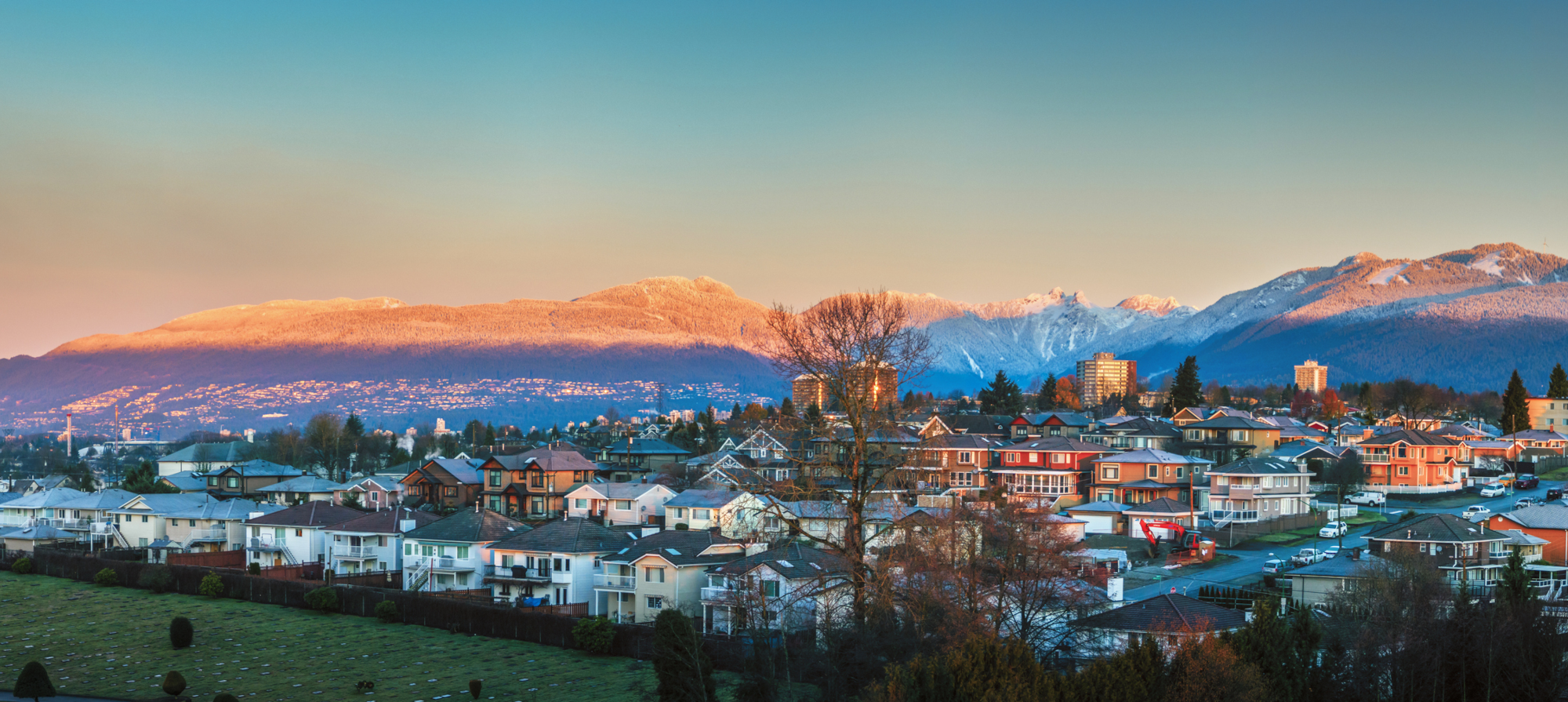

Burnaby community with mountain range in background

Start searching for your dream home now.

When it comes to convenience, our site is unparalleled. Whether you're in the comfort of your home, or on the go.
Our site works flawlessly on multiple devices so you can find the information you need.

Start Search