
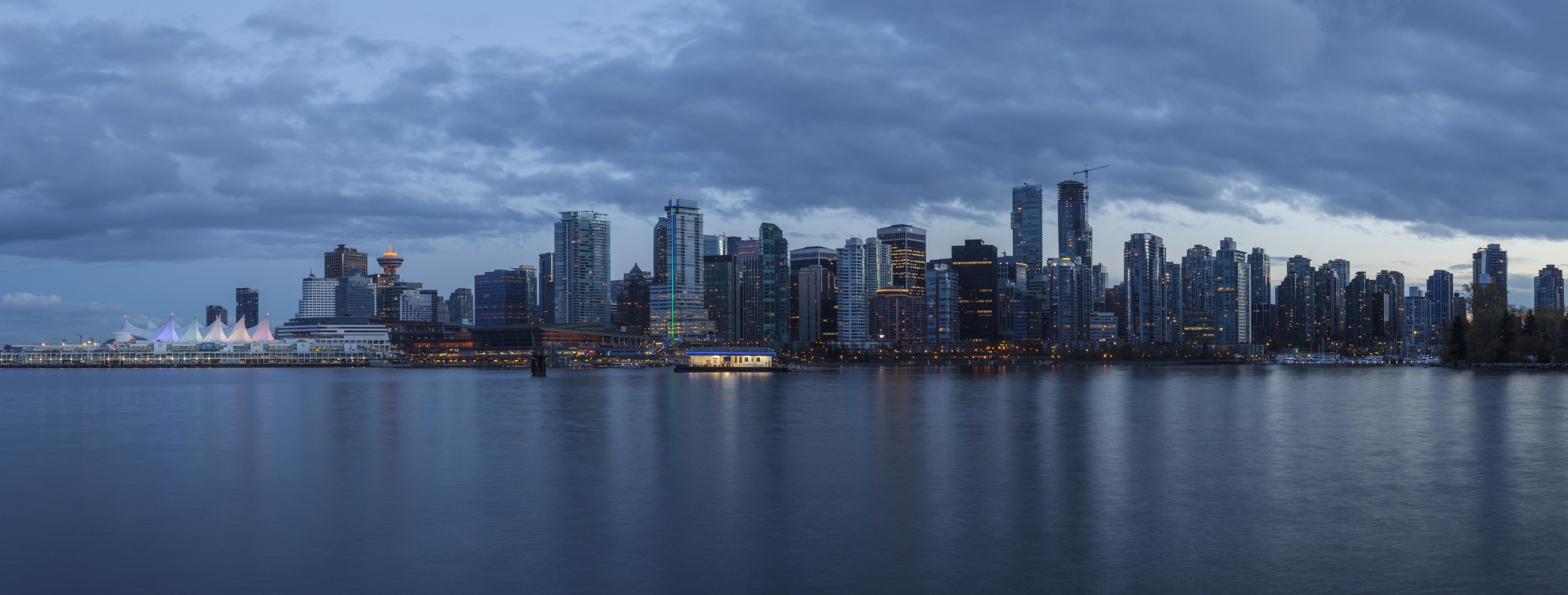
Is Vancouver a Good Place to Live in 2026?
If you are considering moving to Vancouver, you are probably wondering whether the city still lives up to its reputation in 2026. With its spectacular natural surroundings, diverse neighbourhoods, strong lifestyle appeal, and access to everything from beaches to mountains, Vancouver continues to attract homebuyers from across Canada and around the world.
At the same time, living in Vancouver comes with important considerations. Housing remains expensive, choosing the right neighbourhood can make a major difference in your day-to-day experience, and buyers need to balance lifestyle priorities with their budget.
So, is Vancouver a good place to live in 2026? For many people, the answer is yes. But whether it is the right place for you depends on what you value most.
Why Vancouver Remains a Desirable Place to Live
One of Vancouver's biggest advantages is the combination of city living and access to nature. Few major cities allow residents to spend the morning downtown, visit the beach in the afternoon, and head toward the mountains for hiking, skiing, or biking with such ease.
The City of Vancouver continues to emphasize liveable neighbourhoods where residents can work, shop, play, and access parks and open spaces while reducing dependence on cars. Its long-term planning also focuses on creating more complete, walkable communities with everyday services close to home.
For people who enjoy an active lifestyle, this is a major advantage. Vancouver offers beaches, seawalls, cycling routes, community centres, neighbourhood parks, and countless opportunities to spend time outdoors. The City's Healthy City Strategy specifically identifies access to nature, recreation, and active living as important components of quality of life.
Getting Around Vancouver
Another reason Vancouver can be an attractive place to live is that owning a vehicle is not always essential, particularly in well-connected neighbourhoods.
Depending on where you live and work, you may be able to rely on a combination of walking, cycling, buses, and SkyTrain. The City continues to invest in infrastructure supporting walking, cycling, transit, and other alternatives to driving, with a target of having two-thirds of trips made by active transportation and transit by 2030.
Neighbourhood choice matters considerably, however. Someone living near rapid transit in Downtown Vancouver, Mount Pleasant, or another transit-oriented area may have a very different commuting experience from someone who needs to drive regularly.
When buying a home, it is worth thinking beyond the property itself. Your commute, proximity to schools, parks, shopping, restaurants, transit, and other everyday amenities can have a significant impact on how much you enjoy living there.
Vancouver's Neighbourhoods Offer Different Lifestyles
One of the advantages of living in Vancouver is that there is no single "Vancouver lifestyle."
Downtown and Yaletown can appeal to buyers looking for condominium living and easy access to restaurants, entertainment, employment, and the waterfront. Kitsilano is known for its relaxed West Coast atmosphere and proximity to the beach. Mount Pleasant combines residential streets with restaurants, shops, and a lively community atmosphere.
Families may look toward neighbourhoods such as Dunbar, Kerrisdale, or parts of East Vancouver, depending on their budget, preferred housing type, schools, and commuting needs.
This variety is one reason working with a local real estate professional can be especially valuable when relocating to Vancouver. The right neighbourhood is not necessarily the most famous one. It is the neighbourhood that best matches your lifestyle, priorities, and long-term plans.
What Does It Cost to Buy a Home in Vancouver in 2026?
Housing affordability remains one of the biggest challenges of living in Vancouver.
According to Greater Vancouver REALTORS®, the Metro Vancouver composite benchmark price was $1,099,100 in June 2026. The benchmark price was approximately $1,842,900 for a detached home, $1,046,200 for a townhouse, and $695,200 for an apartment.
Those numbers also show why buyers should avoid thinking about "the Vancouver market" as if every property and neighbourhood costs the same amount.
A condo buyer has a very different set of options from someone searching for a detached home. Likewise, moving a few neighbourhoods away from your original target can sometimes create opportunities for additional space, a different housing type, or better long-term value.
Interestingly, June 2026's Metro Vancouver composite benchmark price was 6% lower than a year earlier, while sales increased 9.6% year over year. That combination highlights why buyers should look at current conditions rather than relying on assumptions about Vancouver real estate.
Is Vancouver a Good Place for Homebuyers in 2026?
For buyers who can comfortably manage the cost of ownership, 2026 may present opportunities worth exploring.
Price alone should not determine whether buying makes sense. Your expected length of ownership, financing, monthly expenses, property type, neighbourhood, and future plans all matter.
Buyers should also consider the trade-offs between different housing options. A centrally located condo may provide convenience and lower maintenance requirements, while a townhouse can offer additional space. A detached home may provide greater privacy and land value but requires a substantially larger budget in many parts of Metro Vancouver.
The goal should be to find a property that works financially while also supporting the lifestyle you want.
What Should Sellers Know About Living in Vancouver in 2026?
For homeowners considering selling, Vancouver's long-term lifestyle appeal remains an important part of how a property can be positioned.
Buyers are not simply purchasing square footage. They are often buying access to a neighbourhood and everything that comes with it.
Walkability, nearby parks, transit access, schools, restaurants, shopping, outdoor recreation, and commute times can all contribute to a home's appeal. Sellers should make these lifestyle benefits part of their marketing strategy rather than focusing exclusively on the home's interior features.
With buyers having more choices in some segments of the market, presentation and pricing are especially important. A property that is prepared properly, marketed professionally, and priced according to current comparable sales is better positioned to stand out.
The Pros and Cons of Living in Vancouver
Advantages
Vancouver offers an exceptional combination of natural beauty and urban amenities. Residents can enjoy extensive outdoor recreation, diverse neighbourhoods, multicultural restaurants and communities, relatively mild winters compared with many Canadian cities, and strong walking, cycling, and transit options in many areas.
The ability to build an urban lifestyle around nature is difficult to replicate elsewhere.
Challenges
The biggest drawback remains housing affordability. Buyers may need to compromise on location, property size, or housing type to stay within their budget.
Vancouver is also known for its rainy fall and winter months, and traffic can be frustrating for residents whose daily routines depend heavily on driving.
For prospective residents, these disadvantages need to be weighed against the lifestyle and opportunities the city provides.
So, Is Vancouver Worth Living In?
For many people, Vancouver remains an excellent place to live in 2026.
Its appeal comes from something bigger than any individual feature. It is the combination of neighbourhoods, ocean and mountain scenery, outdoor recreation, urban amenities, diverse communities, and the ability to create very different lifestyles within the same city.
The more important question may not be, "Is Vancouver a good place to live?"
It may be:
Which Vancouver neighbourhood is the best place for you to live?
That answer depends on your budget, housing needs, commute, family situation, and the lifestyle you want to create.
If you're thinking about buying, selling, or relocating within Vancouver, having a clear understanding of individual neighbourhoods and current market conditions can help you make a more confident decision.
Let’s Stay Connected
Want more Vancouver insights and early listing access? Follow us:
Instagram | Facebook | X (Formerly Twitter) | SellVanHomes.ca | Linkedin
Begin your home search here: https://www.sellvanhomes.ca/idx
778-877-8807
Frederick Trudeau
Frederick Trudeau Real Estate Team
Heller Murch RealtyWhy Patient Buyers Have the Advantage This Week
Enjoy this blog post? Click here to subscribe for updates
Leave A Comment