


Real Estate Statistics
| Average Price | $1.7M |
|---|---|
| Lowest Price | $550 |
| Highest Price | $36M |
| Total Listings | 4,953 |
| Avg. Price/SQFT | $995 |
Property Types (active listings)
Vancouver Listings & Homes for Sale
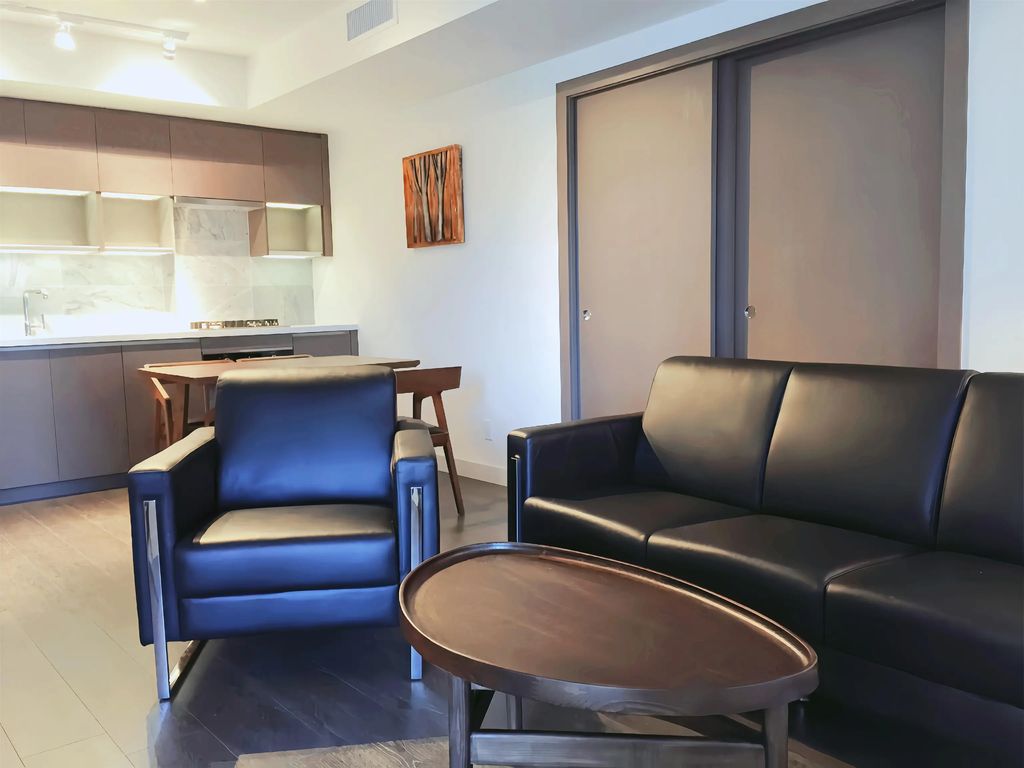

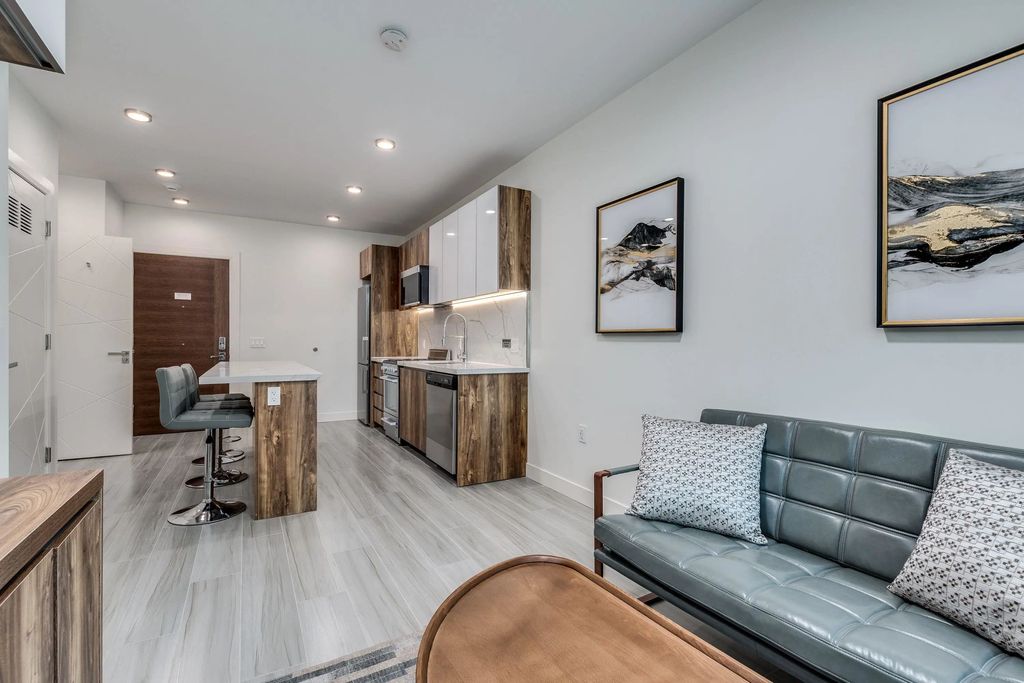
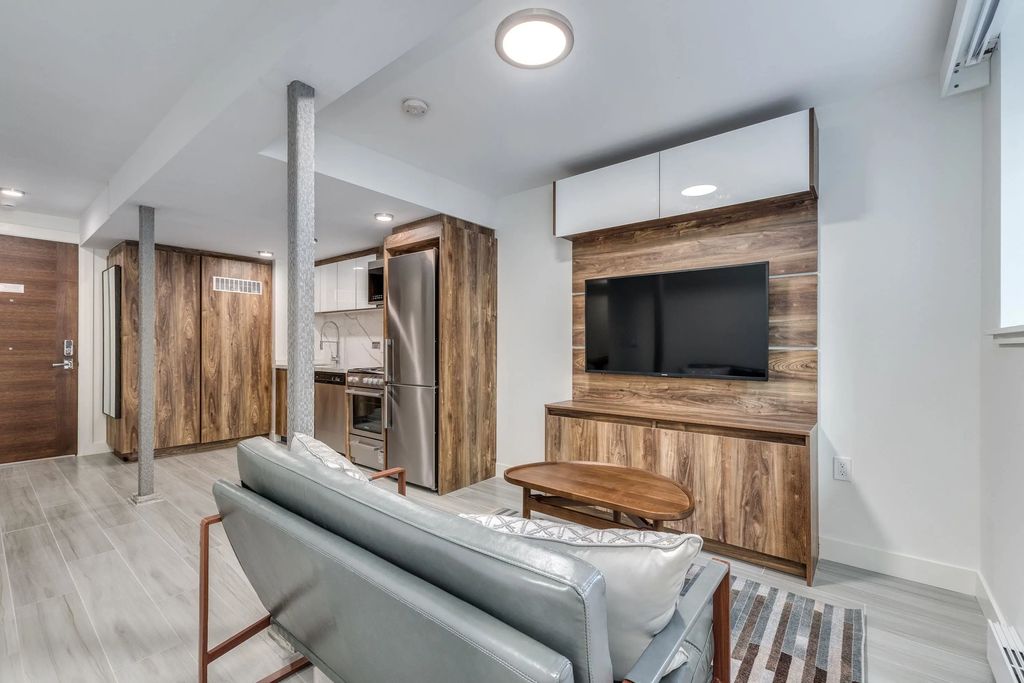
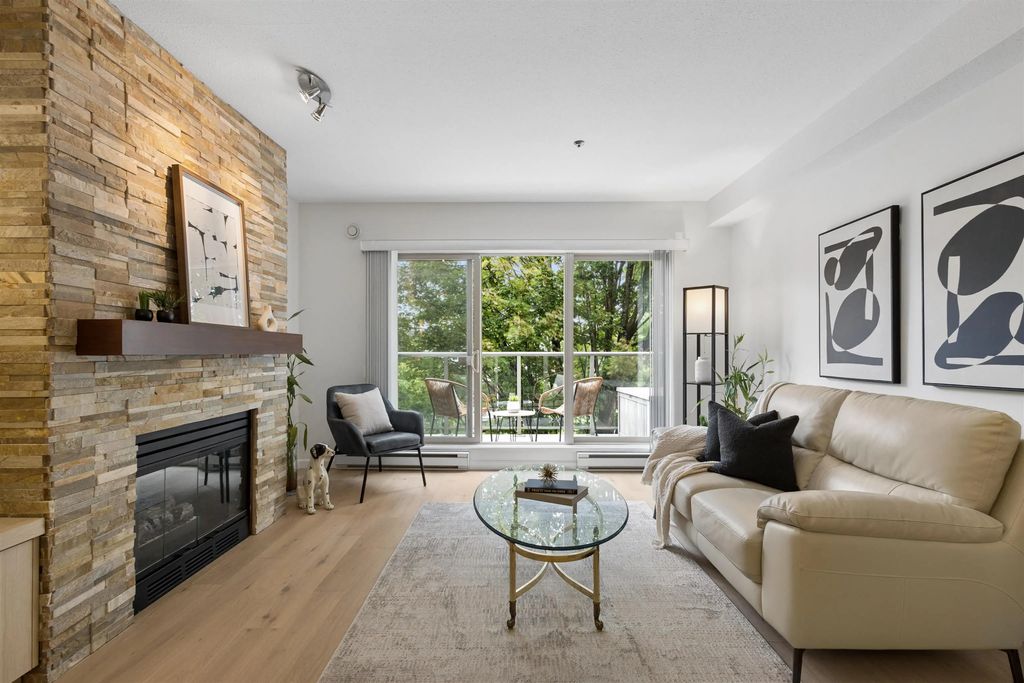
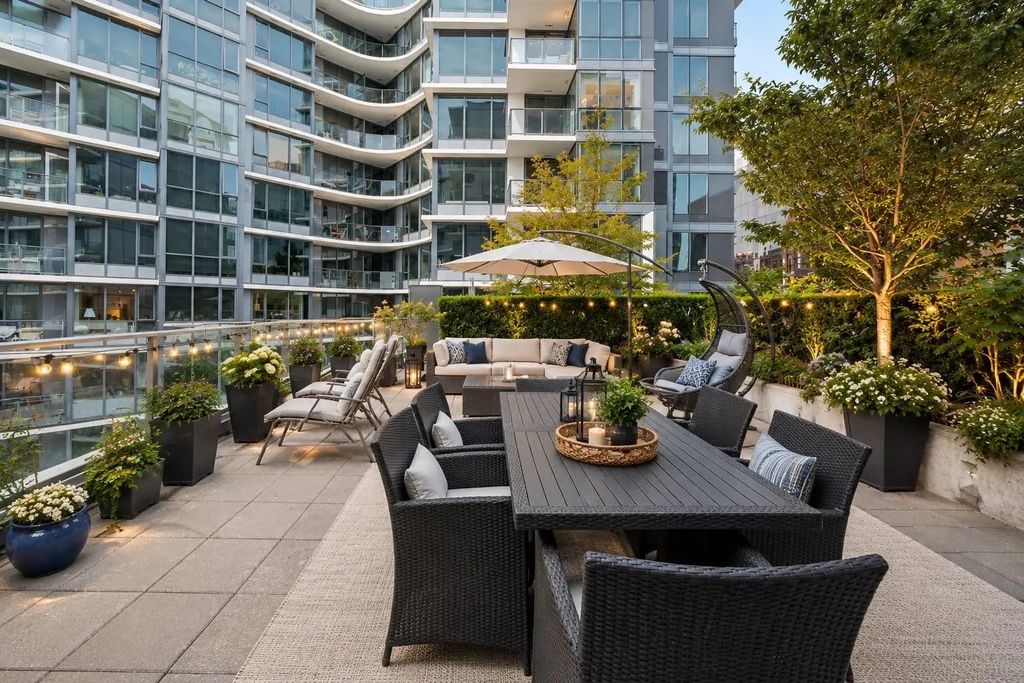
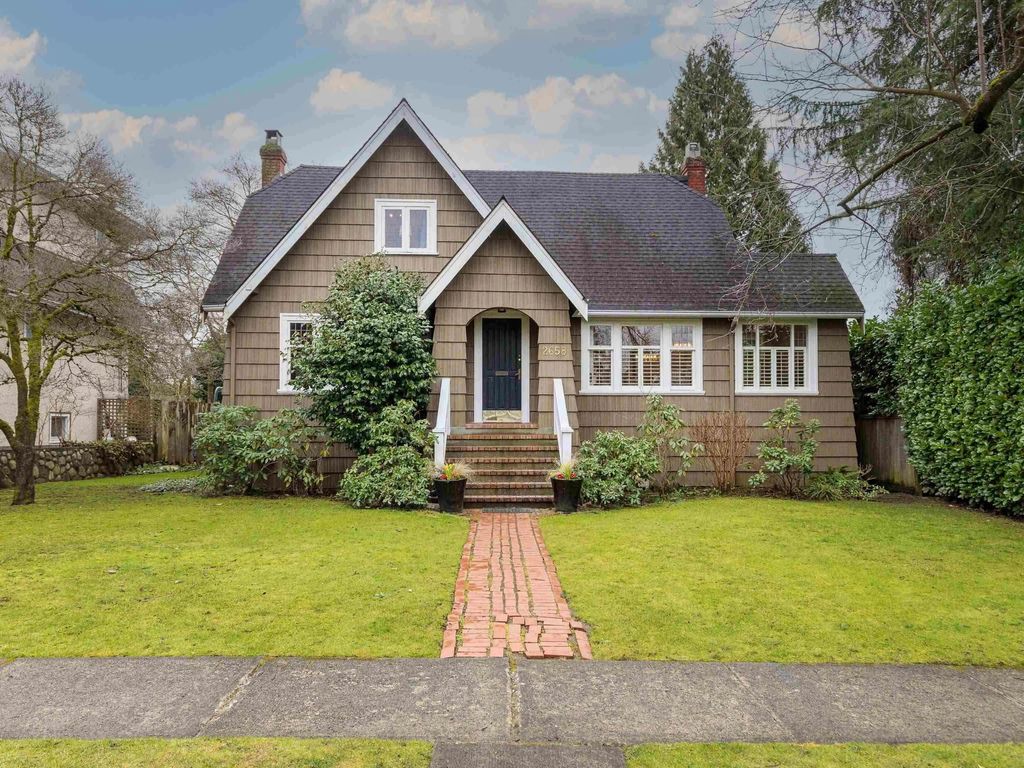
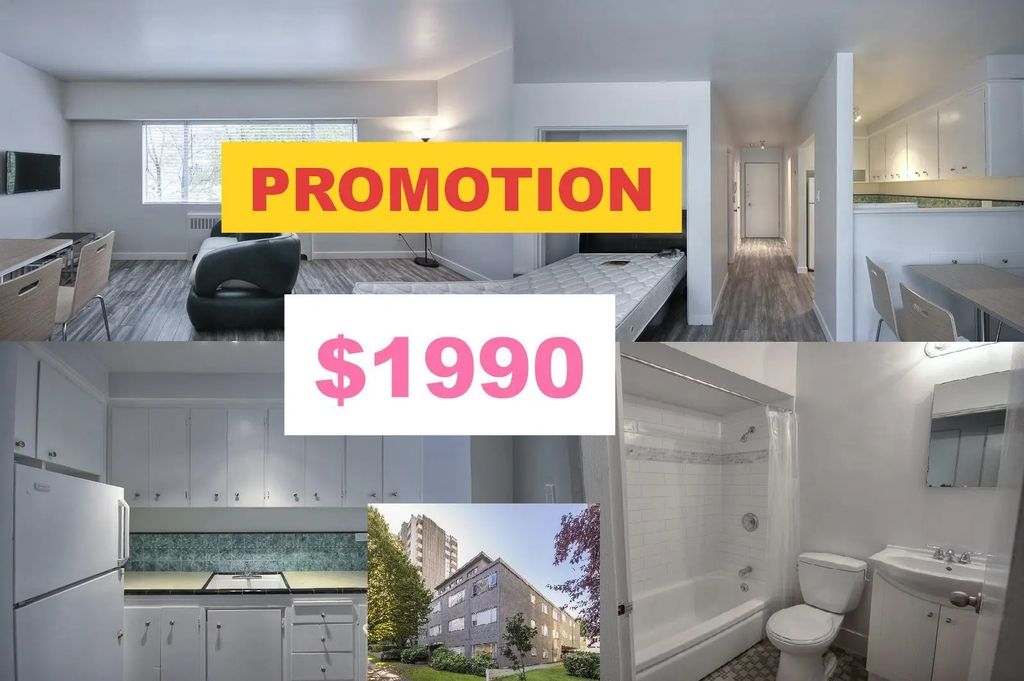
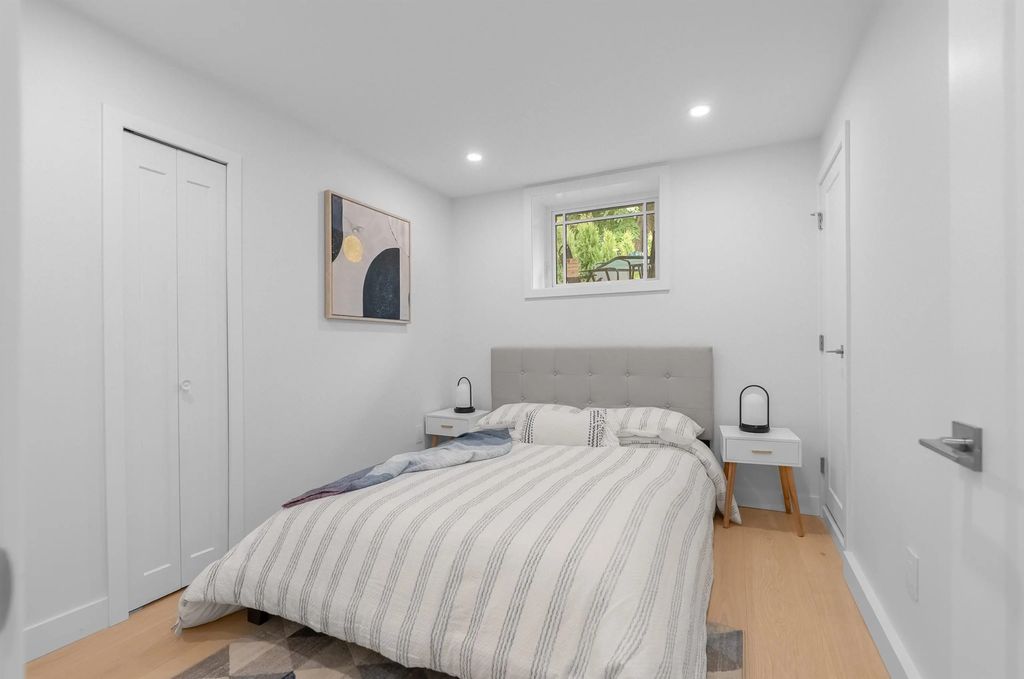
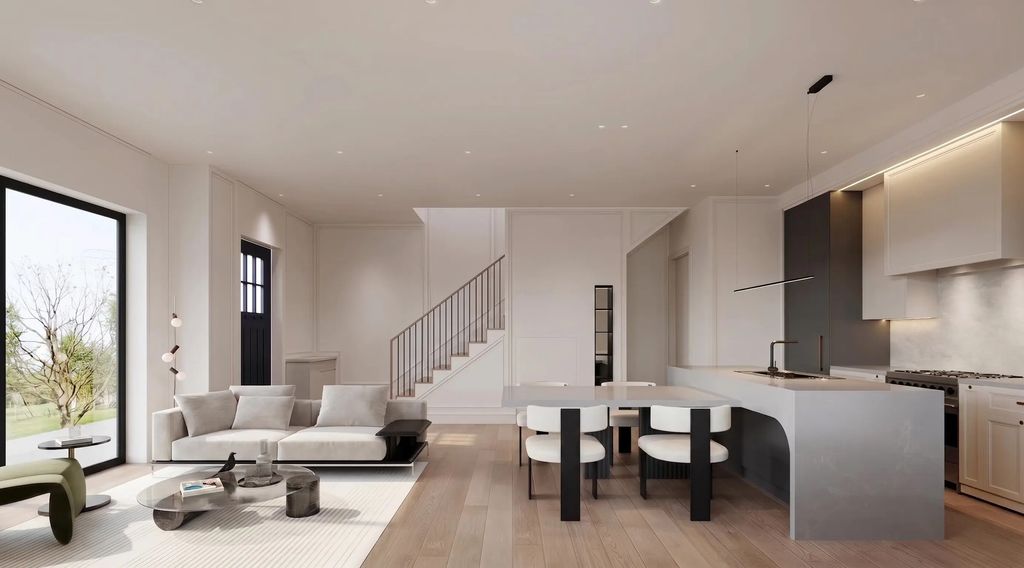
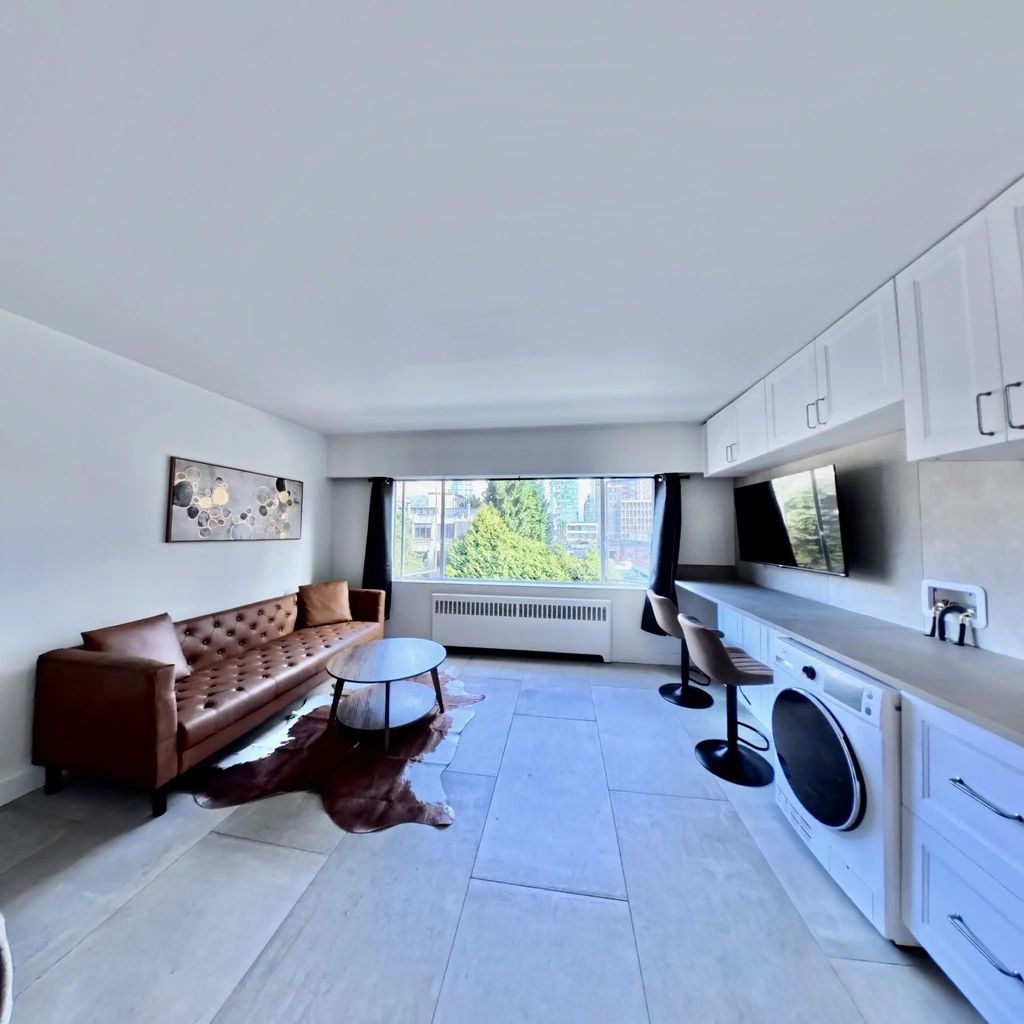

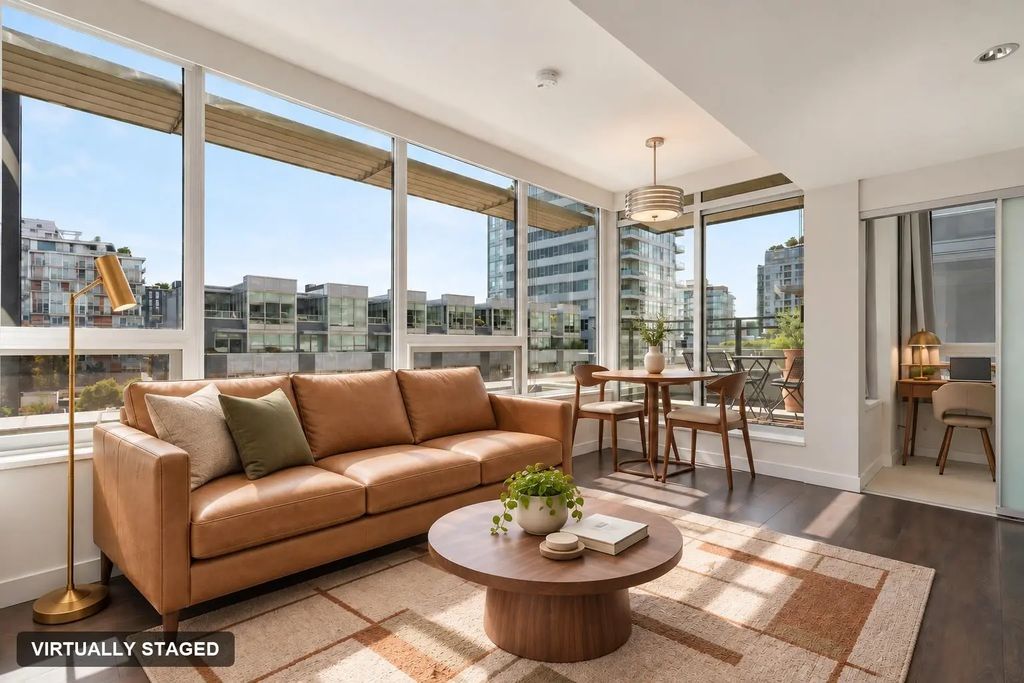
Vancouver Real Estate and Homes for Sale
Vancouver’s real estate market is shaped as much by geography as it is by demand. Burrard Inlet and English Bay frame the city to the north and west, the Fraser River defines much of its southern edge, and Boundary Road separates Vancouver from Burnaby to the east. With little room to expand outward, the city continues to add housing through redevelopment, transit-oriented communities, infill construction, and increased density within established neighbourhoods.
The result is a market with an unusually broad range of homes. Buyers can choose from waterfront high-rises, older concrete condominiums, brick-and-timber lofts, low-rise apartments, townhomes, duplexes, character houses, modern infill properties, and custom-built detached homes.
Vancouver is often discussed in three broad areas: the West Side, the East Side, and the Downtown peninsula. Those divisions are useful, but they only tell part of the story. A property in Coal Harbour offers a completely different lifestyle from a home in Dunbar. Mount Pleasant feels different from Hastings-Sunrise, even though both are in East Vancouver. River District, Oakridge, Kitsilano, and Commercial Drive each attract buyers for different reasons.
There is no single Vancouver housing market. Building age, lot size, transit access, street exposure, school catchment, redevelopment potential, view, walkability, and neighbourhood character can all influence value.
Understanding the Vancouver Housing Market
Vancouver’s West Side generally extends west from Ontario Street toward Point Grey and the University of British Columbia. It includes some of the city’s most established and valuable residential neighbourhoods, along with beach communities, quiet family-oriented streets, and several major redevelopment corridors.
East Vancouver stretches from Ontario Street to Boundary Road. It is known for character housing, strong neighbourhood identities, independent commercial streets, and a growing supply of duplexes, townhomes, laneway homes, and multiplex developments.
Downtown Vancouver is a dense peninsula surrounded by Burrard Inlet, English Bay, and False Creek. Most housing is contained in concrete towers, although buyers will also find heritage conversions, lofts, townhomes, and older low-rise buildings.
These areas should not be compared only by average price. The ownership experience differs substantially.
A Downtown condominium buyer may be focused on building management, amenities, view protection, parking, and walkability. Someone purchasing a detached home in East Vancouver may be more concerned with lot dimensions, lane access, suite configuration, renovation history, and redevelopment potential.
A West Side buyer may be evaluating school catchments, land value, proximity to the beach, and long-term plans for the surrounding neighbourhood. Buyers considering Oakridge, Cambie, or River District may also need to think about years of future construction and how the area will change over time.
Downtown Vancouver
Downtown Vancouver offers the city’s highest concentration of condominium living, employment, restaurants, entertainment, shopping, and public transit.
Although Downtown is geographically compact, its neighbourhoods have distinct personalities. Coal Harbour is known for modern waterfront towers and a quieter residential atmosphere. Yaletown combines newer high-rises with converted warehouse buildings and access to False Creek. The West End offers a more established, tree-lined environment beside Stanley Park. Gastown is defined by historic brick buildings, loft conversions, and an active entertainment scene.
Downtown living often appeals to professionals, downsizers, investors, and buyers who want to complete daily errands without depending on a car. Many residents can walk to work, restaurants, grocery stores, waterfront paths, cultural venues, and transit.
The trade-off is that buyers need to pay close attention to the building and immediate block. Street noise, nightlife, construction, traffic, views, short-term accommodation activity, building security, parking, and visitor access can vary considerably.
Two condominiums of similar size may have very different monthly fees, financial plans, insurance costs, maintenance histories, and long-term ownership obligations.
Coal Harbour
Coal Harbour is positioned along Vancouver’s northern waterfront between the central business district and Stanley Park.
The neighbourhood is primarily composed of concrete condominium towers, many of which were designed to make the most of views toward Burrard Inlet, the North Shore Mountains, Stanley Park, and the marina.
Homes range from compact urban residences to large luxury properties with private elevators, expansive terraces, concierge services, and extensive building amenities.
Coal Harbour often attracts buyers who want a polished, quiet, and centrally located environment. The seawall, marina, waterfront parks, Downtown offices, hotels, and restaurants are all close by.
The area can also appeal to downsizers who want a secure condominium without giving up views, space, or access to outdoor recreation.
Buyers should compare buildings carefully. Amenity-heavy towers may have substantial monthly fees, while other buildings may offer a more limited range of services. Staffing, elevators, mechanical systems, parkades, exterior maintenance, insurance, and long-term capital planning all affect the cost of ownership.
View protection should never be assumed. Buyers should investigate nearby development sites and consider how another building could affect light, privacy, and outlook.
Yaletown
Yaletown combines high-rise residential living with the historic character of Vancouver’s former warehouse district.
The neighbourhood is centred around converted brick buildings, pedestrian-oriented streets, restaurants, cafés, shops, and the False Creek waterfront.
Housing includes concrete towers, warehouse lofts, townhomes, and mixed-use buildings. Some properties offer direct access to the seawall, while others are positioned closer to the commercial and entertainment areas.
Yaletown can work well for professionals, couples, downsizers, and buyers who want an active urban environment. Parks, transit, restaurants, fitness facilities, and everyday services are readily available.
The experience can change from block to block. A home facing the seawall may feel quieter than one located above a busy restaurant or nightlife corridor.
Loft buyers should examine more than the exposed brick and high ceilings. Building history, window condition, sound transfer, heating and cooling, storage, parking, and previous renovations can affect how the space functions.
High-rise buyers should review the strata’s finances, insurance, maintenance planning, elevator history, parkade systems, and any upcoming exterior work.
The West End
The West End sits between Downtown Vancouver, English Bay, and Stanley Park.
It is one of the city’s most established and walkable residential neighbourhoods. Tree-lined streets, older apartment buildings, concrete towers, heritage homes, cafés, restaurants, and local shops create a more residential atmosphere than many other parts of Downtown.
Housing ranges from compact condominiums to larger older units and modern luxury towers. Some buildings date from the middle of the twentieth century, while others represent much more recent construction.
Older concrete buildings may provide larger rooms, practical layouts, enclosed balconies, and more storage. They may also have upcoming work involving elevators, plumbing, windows, parkades, balconies, or exterior components.
The West End often attracts buyers who value access to the beach, Stanley Park, the seawall, transit, and everyday services. It can also suit people who want Downtown convenience without living directly in the central business district.
Parking availability varies, and some residents may find that walking, cycling, or transit is more practical than owning a vehicle.
Buyers should visit at several times of day. Traffic, pedestrian activity, sunlight, noise, and the atmosphere of the immediate street can change considerably.
Gastown
Gastown is Vancouver’s best-known historic commercial district.
Its brick buildings, cobblestone streets, converted warehouses, restaurants, shops, and nightlife create an atmosphere unlike the glass-tower neighbourhoods nearby.
Residential properties often include brick-and-timber lofts, live-work spaces, boutique conversions, and condominiums within restored heritage buildings.
These homes may appeal to buyers who appreciate open layouts, exposed structure, high ceilings, original materials, and a more unconventional urban setting.
Heritage conversions require careful evaluation. Buyers should review seismic upgrades, windows, roofing, plumbing, elevators, heating systems, sound transfer, fire protection, and the history of major building work.
The surrounding street environment should also be considered honestly. Gastown is active and visually distinctive, but it may not suit every buyer. Nightlife, pedestrian activity, noise, loading areas, and nearby social challenges can affect the daily experience.
A buyer drawn to the architecture should spend time in the neighbourhood during both the day and evening before deciding whether the location is a good fit.
Kitsilano
Kitsilano combines beach access, established residential streets, local shopping, restaurants, parks, and proximity to Downtown Vancouver.
The housing stock includes Craftsman homes, character houses, duplexes, townhomes, low-rise condominiums, rental buildings, and modern infill properties.
Some buyers are drawn to the area for Kitsilano Beach and the waterfront. Others prefer the neighbourhood because of its shopping streets, cycling routes, schools, and relatively central location.
Kitsilano’s low-rise condominium market varies widely. Buyers may encounter older wood-frame buildings, rainscreened properties, boutique developments, and newer concrete or mixed-construction buildings.
Building-envelope history is especially important in older strata properties. Buyers should review engineering reports, depreciation plans, roof and window work, balconies, insurance, and any previous water-related repairs.
Detached and duplex properties often attract families, professionals, and downsizers who want ground-oriented housing near the beach. Lot size, parking, lane access, renovation history, and future development should all be considered.
Street location can affect value considerably. A property on a quiet residential block may provide a very different experience from one on a major traffic or commercial corridor.
Point Grey
Point Grey occupies Vancouver’s western edge and includes residential streets extending toward the University of British Columbia and the coastline.
The neighbourhood is known for detached homes, custom residences, renovated character properties, duplexes, low-rise condominiums, and some properties with views toward English Bay, the mountains, or the city.
Point Grey often appeals to buyers seeking a quieter residential setting while remaining close to beaches, parks, schools, and the university.
Topography is an important part of the market. Elevation can create impressive outlooks, but it may also affect driveway access, stairs, yard usability, drainage, and the relationship between neighbouring properties.
Homes range from original structures to extensive new construction. Buyers should examine permits, renovation quality, foundations, drainage, roofing, electrical systems, plumbing, and any additions completed over the years.
For view properties, future construction on neighbouring lots may be an important consideration. A current outlook is not always permanently protected.
Dunbar
Dunbar is an established West Side neighbourhood with quiet streets, mature trees, detached homes, local shops, schools, and access to Pacific Spirit Regional Park.
The housing stock includes older bungalows, traditional two-storey homes, renovated character properties, newer custom houses, duplexes, and infill development.
Dunbar often attracts families who want a residential environment and access to nearby schools, parks, and community amenities.
Many properties sit on relatively deep lots, although frontage, lane access, slope, trees, and site conditions vary.
Older homes may provide renovation potential, suite opportunities, or long-term land value. They may also require work involving drainage, electrical systems, plumbing, insulation, windows, roofing, and foundations.
Buyers considering major changes should investigate current zoning and building requirements before purchasing. The appearance of a large lot does not guarantee that a particular redevelopment plan will be approved.
Sellers can strengthen buyer confidence by organizing surveys, permits, renovation records, maintenance invoices, and information about major upgrades.
Kerrisdale
Kerrisdale offers a village-style commercial centre surrounded by established residential streets.
Local shops, cafés, professional services, parks, and community facilities make the neighbourhood appealing to buyers who want access to everyday conveniences without living in a high-density town centre.
Housing includes detached homes, character properties, low-rise condominiums, concrete apartment buildings, townhomes, and newer infill development.
Kerrisdale often attracts families, long-time West Side residents, and downsizers who want to remain close to familiar services.
Condominium buyers may find larger homes in established buildings, although they should review the age and condition of major building systems. Elevators, plumbing, roofs, windows, balconies, parkades, and exterior maintenance can all influence future costs.
Detached-home buyers should consider lot dimensions, lane access, renovation history, trees, drainage, and proximity to commercial streets.
Walkability can be a major advantage, but buyers should evaluate the exact route to shops and services, particularly when hills or busy roads are involved.
Shaughnessy
Shaughnessy is one of Vancouver’s most recognizable estate neighbourhoods.
Wide streets, mature landscaping, large lots, and substantial Tudor, Georgian, and other traditional homes give the area a formal and historic character.
Some properties have been carefully preserved, while others have undergone major renovations or replacement over time.
The neighbourhood’s heritage and planning framework can affect exterior alterations, demolition, redevelopment, landscaping, and additions. Buyers considering major work should investigate the property’s status and current City requirements before making assumptions.
Large older homes can require significant maintenance. Roofing, drainage, foundations, electrical systems, plumbing, heating, windows, masonry, and landscaping may all represent substantial costs.
The scale of the property also matters. A large lot and residence can offer privacy and flexibility, but they require more upkeep than a typical urban home.
Sellers should document restoration work, permits, system upgrades, heritage details, and professional maintenance. Buyers interested in this part of Vancouver often expect a clear understanding of both architectural value and future ownership costs.
Mount Pleasant and the Main Street Corridor
Mount Pleasant is one of East Vancouver’s most active and varied neighbourhoods.
Its proximity to Downtown, mix of residential and commercial streets, technology and creative employment, restaurants, cafés, breweries, and community amenities have attracted a broad range of residents.
Housing includes Edwardian and Craftsman homes, converted character properties, duplexes, townhomes, low-rise condominiums, industrial-style lofts, and newer mixed-use developments.
Main Street serves as one of the neighbourhood’s best-known commercial corridors. Side streets can feel quiet and residential even when they are only a short walk from shops and restaurants.
Mount Pleasant often appeals to first-time buyers, professionals, families, downsizers, and people who want a walkable East Vancouver lifestyle.
Buyers should pay attention to future development, particularly near major transit and commercial corridors. New construction can bring additional housing and services, but it may also affect views, traffic, parking, sunlight, and noise.
Character-home buyers should review previous conversions carefully. A house that has been divided into several units may have a complicated permit or renovation history.
Commercial Drive and Grandview-Woodland
Commercial Drive, often referred to as The Drive, is one of East Vancouver’s most established neighbourhood centres.
Restaurants, cafés, independent shops, grocery stores, community spaces, and transit contribute to a lively, pedestrian-oriented atmosphere.
The surrounding Grandview-Woodland neighbourhood contains character homes, duplex conversions, low-rise apartment buildings, townhomes, and newer infill development.
Many detached homes date from the early twentieth century. They may include original wood floors, traditional trim, covered porches, and established gardens.
Older homes should be evaluated carefully. Electrical systems, plumbing, foundations, drainage, roofing, insulation, additions, and previous suite construction may all need investigation.
The neighbourhood can appeal to buyers who value community character and local businesses. It also offers access to rapid transit through the Broadway and Commercial area.
The immediate block matters. Properties close to restaurants, transit, or nightlife may experience more activity, while homes only a few streets away can feel significantly quieter.
For sellers, walkability and neighbourhood identity are often central to the marketing strategy. Buyers may be as interested in the surrounding community as they are in the home itself.
Hastings-Sunrise
Hastings-Sunrise occupies the northeastern portion of Vancouver near the Burnaby boundary and Burrard Inlet.
The neighbourhood includes detached homes, bungalows, Vancouver Specials, duplexes, townhomes, low-rise condominiums, and newer multiplex development.
Hastings Street provides shops, restaurants, professional services, and transit, while residential streets offer a more established and family-oriented atmosphere.
The area can appeal to buyers who want East Vancouver character while remaining close to North Burnaby, Highway 1, Downtown Vancouver, and the North Shore.
Some properties have wider lots, lane access, secondary suites, or layouts that may support multigenerational living.
Buyers should confirm permits and municipal compliance for existing suites or major renovations. They should also investigate drainage, buried oil tanks, electrical systems, sewer connections, and the condition of older building components.
Views vary depending on elevation. Some homes look toward Burrard Inlet or the North Shore Mountains, while others are positioned on flatter residential streets.
Traffic exposure should be considered carefully near major roads and transit corridors.
Fraser, Knight, Fraserview and Killarney
The neighbourhoods along Fraser Street, Knight Street, Victoria Drive, and the southeastern side of Vancouver offer a broad range of East Vancouver housing.
Buyers will find character homes, bungalows, Vancouver Specials, duplexes, townhomes, custom infill properties, laneway homes, and multifamily developments.
These areas often attract families, multigenerational households, first-time move-up buyers, and people seeking more interior space than they may find closer to Downtown.
Fraser Street has developed into an active commercial corridor with restaurants, cafés, shops, and local services. Residential streets farther south tend to become quieter and more suburban in character.
Fraserview and Killarney include established detached-home neighbourhoods, parks, schools, and access to the Fraser River side of the city.
Lot dimensions and lane access can be important in this part of Vancouver. Some properties may offer suite, laneway, or multiplex possibilities, but all potential should be confirmed against current City rules.
Buyers should consider transportation carefully. Some locations provide convenient bus access, while others may be more practical for drivers.
Homes near Knight Street or other major routes may offer strong regional access but experience more traffic and road noise.
The Cambie Corridor
The Cambie Corridor has been one of Vancouver’s most significant areas of transit-oriented redevelopment.
The Canada Line changed how residents travel between Downtown Vancouver, central Vancouver, Richmond, and Vancouver International Airport. In response, many properties along and near Cambie Street have transitioned from detached housing to townhomes, mid-rise buildings, and higher-density residential developments.
Buyers can choose from newer concrete condominiums, wood-frame buildings, townhomes, and older properties located just outside the major development areas.
Transit access is a major attraction, particularly for people commuting Downtown, to Richmond, or to the airport.
The corridor is still changing. Buyers should investigate nearby development applications, construction plans, road changes, and the long-term vision for the immediate area.
A property that currently overlooks detached homes may face future redevelopment. Construction can also affect traffic, noise, parking, and access for several years.
Townhome and condominium buyers should review strata documents, warranty information, air-conditioning systems, electric-vehicle infrastructure, parking, storage, and monthly fees.
Oakridge
Oakridge is evolving from a lower-density residential and shopping area into one of Vancouver’s largest mixed-use urban centres.
The redevelopment surrounding Oakridge is expected to introduce additional housing, retail, public spaces, services, and community amenities.
The surrounding neighbourhood includes detached homes, condominiums, townhomes, and active construction sites.
Buyers interested in Oakridge are often attracted by the Canada Line, central location, shopping, and long-term transformation of the area.
Purchasing in a neighbourhood undergoing significant redevelopment requires patience and careful planning. Construction activity, temporary road changes, noise, future towers, retail openings, and public-space completion may affect the experience for several years.
Buyers should distinguish between what currently exists, what is under construction, and what remains part of a future plan.
Sellers should present the property’s location accurately without overstating uncompleted amenities or guaranteed future benefits.
River District
River District is a master-planned community along the Fraser River in southeast Vancouver.
The area includes low-rise condominiums, concrete towers, townhomes, shops, services, public spaces, and riverfront parks.
River District can appeal to buyers who want newer construction, modern layouts, outdoor space, and access to the waterfront.
The neighbourhood feels more self-contained than many established parts of Vancouver. Daily services are available within the community, although buyers should consider how they will commute to work, school, and other parts of the region.
Bus service and road access are important considerations because the area is not directly served by SkyTrain.
Newer properties may offer contemporary amenities, electric-vehicle charging, secure parking, storage, fitness facilities, and modern building systems.
Buyers should still complete a full strata review. Warranty coverage, meeting minutes, insurance, financial planning, construction deficiencies, parking arrangements, and future phases of development all require attention.
River views should be considered alongside industrial activity, future construction, traffic, and the changing character of the broader waterfront.
Vancouver Condominiums
Condominiums make up a significant portion of Vancouver’s housing market.
Downtown contains the greatest concentration of concrete towers, while low-rise and mid-rise buildings are found throughout Kitsilano, Mount Pleasant, Commercial Drive, Kerrisdale, and many other neighbourhoods.
Newer buildings may provide air conditioning, electric-vehicle charging, concierge services, modern fitness facilities, lounges, and energy-efficient systems.
Older buildings may offer larger rooms, practical layouts, more storage, and established strata communities.
Age alone does not determine quality.
An older building may have completed substantial upgrades and maintain a healthy contingency reserve fund. A newer property may still be dealing with warranty claims, construction deficiencies, or unexpectedly high operating costs.
Buyers should review meeting minutes, depreciation reports, financial statements, insurance information, engineering reports, bylaws, and the contingency reserve fund.
Parking and storage should be confirmed through the legal documents. A stall or locker may be separately owned, assigned, or designated as limited common property.
Pet rules, rental restrictions, short-term accommodation bylaws, electric-vehicle policies, move-in procedures, insurance deductibles, and renovation rules can also influence whether a property is suitable.
Vancouver Townhomes, Duplexes and Multiplexes
Ground-oriented housing has become increasingly important as buyers search for options between a condominium and a detached home.
Townhomes, duplexes, and multiplex homes can provide private entrances, multiple levels, outdoor space, and more separation between living and sleeping areas.
These properties are found throughout East Vancouver, the Cambie Corridor, Kitsilano, Mount Pleasant, and other established neighbourhoods.
Layout often matters more than total square footage. A well-designed home with useful storage, direct outdoor access, and bedrooms grouped together may function better than a larger property with awkward stairs or limited natural light.
Buyers should determine whether the home is part of a strata corporation. In some small strata developments, owners may share responsibility for roofing, exterior walls, landscaping, insurance, drainage, and utility systems.
The financial records of a two-, three-, or four-unit strata may look different from those of a large condominium tower. Buyers should understand how repairs are planned and how decisions are made.
Sound transfer, privacy, parking, storage, garbage collection, and outdoor-space boundaries should also be examined.
Detached and Character Homes
Vancouver’s detached housing stock reflects many different periods of construction.
Buyers may encounter early twentieth-century character homes, Craftsman houses, post-war bungalows, Vancouver Specials, mid-century designs, extensively renovated properties, and modern custom homes.
Character homes often provide distinctive details such as fir floors, traditional millwork, stained glass, porches, and high ceilings.
They may also contain older wiring, plumbing, foundations, drainage systems, chimneys, insulation, windows, and additions completed under earlier building standards.
A cosmetic renovation should not be confused with a full structural or mechanical update.
Buyers should review permits, inspection findings, invoices, and the age of major building systems. Secondary suites should be investigated carefully, particularly when rental income is important to the purchase.
Lot value is a major part of the detached-home market. Frontage, depth, lane access, slope, trees, easements, sunlight, and proximity to transit may all affect long-term flexibility.
Sellers can improve buyer confidence by organizing information about renovations, drainage work, roofing, electrical upgrades, plumbing, heating systems, suites, and permits.
Multiplex Housing and R1-1 Zoning
Vancouver’s residential zoning has changed to allow additional housing on many properties that were historically used for one detached home.
The R1-1 framework supports multiplex development, with the possible number of homes influenced by lot dimensions, site area, building design, energy performance, servicing, and other City requirements.
Depending on the property and project, redevelopment may include several strata homes or a different number of secured rental units.
This creates opportunities for families, builders, investors, and owners interested in multigenerational living or additional housing on an existing lot.
Potential should never be assumed from frontage or lot size alone.
Trees, sewer and water servicing, site slope, lane access, easements, existing structures, heritage considerations, parking, design rules, and permitting requirements may all affect what can be built.
Municipal policies can also change. Buyers considering redevelopment should obtain current confirmation from the City and seek appropriate planning, design, legal, engineering, and financial advice before removing conditions.
Sellers should avoid presenting a possible unit count or floor-space allowance as guaranteed. Reliable surveys, zoning research, professional planning input, and clear lot information can help development-minded buyers assess the property more confidently.
Parks, Beaches and Outdoor Recreation
Vancouver’s access to parks, beaches, and the waterfront is a major part of the city’s appeal.
Stanley Park borders Downtown Vancouver and offers forest trails, beaches, public attractions, and the seawall.
The seawall connects several waterfront neighbourhoods and provides space for walking, running, and cycling around Coal Harbour, Stanley Park, English Bay, False Creek, and toward Kitsilano.
Queen Elizabeth Park sits near the geographic centre of the city and offers gardens, recreation, and elevated views.
The city’s western shoreline includes Kitsilano Beach, Jericho Beach, Spanish Banks, and other public waterfront areas.
VanDusen Botanical Garden provides a landscaped setting in central Vancouver, while Pacific Spirit Regional Park offers an extensive trail network near the western edge of the city.
The Arbutus Greenway creates a continuous walking and cycling route through several West Side neighbourhoods.
Proximity to these amenities can influence buyer demand, but the exact relationship to the property matters. A home beside a popular park may offer convenient recreation while also experiencing event traffic, noise, or limited street parking.
Culture, Dining and Community Life
Vancouver’s neighbourhoods are defined partly by their local commercial and cultural centres.
Granville Island combines a public market, arts organizations, shops, studios, restaurants, theatres, and waterfront activity.
Mount Pleasant and Main Street are known for independent businesses, restaurants, breweries, and creative workplaces.
Commercial Drive has a long-established mix of restaurants, cafés, food shops, and community gathering places.
Kitsilano offers beach-oriented amenities and busy commercial streets, while Kerrisdale provides a smaller village-style shopping environment.
Downtown contains major entertainment, shopping, dining, and cultural destinations. Gastown, Yaletown, Coal Harbour, and the West End each offer a different version of urban living.
The best neighbourhood is not necessarily the one with the greatest number of amenities. It is the one whose services, atmosphere, and daily routine fit the buyer’s priorities.
Public Transit and Regional Connections
Vancouver is served by the Expo Line, Canada Line, extensive bus routes, passenger ferries, cycling infrastructure, and several major road connections.
The Expo Line connects Downtown Vancouver with East Vancouver, Burnaby, New Westminster, and Surrey.
The Canada Line connects Downtown with central Vancouver, Richmond, and Vancouver International Airport.
The Millennium Line currently serves East Vancouver and Burnaby, with the Broadway extension intended to bring rapid transit farther west beneath the Broadway corridor.
Waterfront Station serves as a major transfer point between SkyTrain, commuter rail, buses, and the SeaBus to the North Shore.
Vehicle access to the North Shore depends primarily on the Lions Gate Bridge and Ironworkers Memorial Second Narrows Bridge. Connections to Richmond include the Arthur Laing, Oak Street, and Knight Street bridges.
Within the city, the Burrard, Granville, and Cambie bridges connect Downtown with neighbourhoods south of False Creek.
Commute time should be tested rather than assumed. Traffic, construction, bridge congestion, transit transfers, and walking distance from the station can all affect the daily experience.
A home that appears close to rapid transit on a map may involve a steep hill, an unpleasant walking route, or significant street crossings.
What Vancouver Buyers Should Consider
Buying in Vancouver requires a strategy suited to the property type and neighbourhood.
Condominium and townhome buyers should complete a detailed strata review. Meeting minutes, depreciation reports, engineering documents, financial statements, insurance, bylaws, and contingency planning can reveal both the strengths of the building and possible future costs.
Detached-home buyers should investigate drainage, sewer connections, buried oil tanks, electrical systems, plumbing, roofing, foundations, suites, renovations, and permit history.
Properties with character features may require specialized inspections. Buyers should work with professionals who understand older construction and previous conversions.
Lot dimensions and lane access can affect long-term use, but redevelopment potential must be verified. A wide lot does not automatically guarantee a particular multiplex design or unit count.
Transit-oriented locations can offer convenience and long-term demand, but buyers should also consider noise, construction, density, traffic, and future buildings.
School catchments should be confirmed directly when they are important to the purchase. Boundaries, enrolment procedures, and program availability can change.
Buyers should visit the neighbourhood at different times. Morning traffic, evening activity, sunlight, aircraft noise, train sounds, restaurant activity, and street parking may not be obvious during a single showing.
Most importantly, buyers should choose the neighbourhood and daily lifestyle before becoming emotionally committed to a particular property.
What Vancouver Sellers Should Consider
A successful Vancouver sale begins with understanding the most likely buyer for the property.
A Downtown condominium may need to be positioned around building quality, view, parking, storage, layout, immediate occupancy, amenities, and walkability.
An older low-rise unit may compete successfully by offering more interior space, a well-managed strata, completed building upgrades, or a quieter residential location.
A character home in East Vancouver should be marketed around its architecture, neighbourhood, lot, suite configuration, renovations, and future flexibility.
West Side sellers may need to present land value, school access, renovation quality, lot characteristics, and redevelopment considerations clearly.
Properties near transit should emphasize practical access without ignoring noise, construction, or the changing character of the area.
Documentation can make a meaningful difference. Permits, surveys, renovation records, invoices, floor plans, strata documents, suite information, and reports on major improvements can help buyers evaluate the property with greater confidence.
Development potential should be described carefully. Sellers should distinguish between existing zoning, preliminary feasibility, and an approved project.
Presentation matters beyond the main living areas. Garages, storage rooms, suites, balconies, yards, mechanical rooms, and laneway access can all influence a buyer’s decision.
Pricing should reflect the immediate micro-market. A Coal Harbour tower should not be compared casually with an older West End building. A Mount Pleasant character home may not be directly comparable to a newer multiplex residence. Street location, exposure, condition, lot dimensions, building history, and future development all affect value.
Finding the Right Vancouver Neighbourhood
Vancouver offers a remarkable range of housing and lifestyles within a relatively small geographic area.
Coal Harbour provides modern waterfront living and proximity to Downtown offices. Yaletown offers high-rise density, restaurants, and False Creek access. The West End combines walkability with beaches and Stanley Park, while Gastown provides historic architecture and loft-style homes.
Kitsilano and Point Grey appeal to buyers who value the beach and West Side living. Dunbar and Kerrisdale offer established residential communities, while Shaughnessy provides large lots and historic estate properties.
Mount Pleasant and Main Street combine character housing with restaurants, businesses, and urban energy. Commercial Drive offers a strong local identity and access to transit. Hastings-Sunrise, Fraser, Knight, Fraserview, and Killarney provide a wide range of East Vancouver homes for families, multigenerational households, and buyers interested in infill opportunities.
The Cambie Corridor and Oakridge are being reshaped by rapid transit and major redevelopment. River District offers newer housing and a planned waterfront community in southeast Vancouver.
The right choice depends on more than price and square footage. Commute, walkability, building age, lot characteristics, maintenance, access to parks, neighbourhood atmosphere, and long-term plans should all be considered.
Whether you are purchasing your first Vancouver condominium, searching for a larger family home, moving into a townhome, evaluating a multiplex property, downsizing, investing, or preparing a home for sale, thoughtful local guidance can make the process clearer.
Contact our team to discuss your goals and develop a buying or selling strategy suited to your preferred Vancouver neighbourhood, property type, budget, and timeline.
When you're ready to call this exceptional city home, all you need to do is reach out because you've already found the "Vancouver realtors near me" you've been searching for. Our expert team knows every neighborhood from beachside Kitsilano to bustling downtown, helping you navigate this competitive market with confidence. Browse our latest Vancouver listings or connect with us for personalized market insights and access to properties before they hit MLS®.
Vancouver's half duplex market offers the perfect middle ground for buyers seeking the feel of a detached home at a more accessible price point. These properties often feature private yards, multiple bedrooms, and modern interiors, making them especially appealing to families and professionals who need more space than a condo or townhouse can provide, while remaining more attainable than a full detached single-family house.
Vancouver half duplexes are found across many desirable neighborhoods including quiet, family-friendly streets on the East Side, central neighborhoods with quick transit access, Kitsilano and West Side areas for premium half duplexes, and Mount Pleasant, Fraser, and Main Street corridors for modern new-build half duplexes popular with young families and professionals.
Vancouver half duplexes typically feature 3–4 bedrooms, 3–4 bathrooms, private yards or outdoor spaces, modern open-concept interiors, rooftop decks or private patios, and attached or private garages. Many are newly constructed or recently renovated, offering contemporary finishes, energy-efficient systems, and family-oriented floor plans without strata fees associated with condos or townhouses.
Vancouver half duplexes are typically listed between approximately $1.3 million and $2.3 million, offering more space and land ownership than a condo or townhouse while remaining more accessible than a full detached single-family house, with pricing varying based on neighborhood, size, age, and finishes.
Vancouver half duplexes offer more space and privacy than condos or townhouses, with private yards and multi-bedroom layouts, while being more attainable than full detached single-family houses. Unlike condos, most half duplexes have no strata fees and offer freehold ownership, making them an appealing value proposition for families and move-up buyers.
Advantages of Vancouver half duplexes include private yards for families and pets, no strata fees in most cases, more square footage and bedrooms than a typical condo, greater privacy than townhouse complexes, and a feel closer to detached living at a more accessible price than a full single-family home. They are ideal for families, professionals needing home office space, and buyers prioritizing outdoor space.
Choose Frederick Trudeau's team for specialized expertise navigating Vancouver's half duplex communities, from quiet family-friendly East Side streets to central neighborhoods with quick transit access, ability to help clients compare half duplexes alongside condos, townhouses, and single-family houses, and personalized guidance ensuring every client finds the right property for their lifestyle and budget in this world-class city.
Search Vancouver half-duplex listings at sellvanhomes.ca/vancouver-half-duplexes featuring comprehensive MLS® listings updated regularly from the Real Estate Board of Greater Vancouver, with filters for bedrooms, bathrooms, price range, and neighborhood, with over 300 listings available across Vancouver's diverse neighborhoods.Half-duplexes FAQs
What makes Vancouver half-duplexes a good choice?
What neighborhoods offer the best half duplexes in Vancouver?
What are typical features of Vancouver half duplexes?
What is the price range for Vancouver half duplexes?
How do half duplexes compare to other Vancouver property types?
What are the advantages of buying a Vancouver half duplex over a condo or townhouse?
Why choose Frederick Trudeau's team for Vancouver half-duplex real estate?
How can I search Vancouver half-duplex listings?
condo and apartmemts FAQS
What types of condos and apartments are available in Vancouver?
Vancouver's condo and apartment market offers a wide range of options including entry-level studios and one-bedroom units, mid-range two-bedroom condos in central neighborhoods, luxury penthouses and high-rise suites downtown, boutique low-rise apartments in Kitsilano and Mount Pleasant, and new pre-sale developments throughout the city, with 1,916 total MLS® listings spanning all price ranges.
What neighborhoods have the best condos in Vancouver?
Vancouver's best condo neighborhoods include downtown Vancouver (luxury high-rises and urban living), Yaletown (modern lofts and boutique buildings), Coal Harbour (waterfront luxury), Kitsilano (boutique low-rise apartments near the beach), Mount Pleasant (trendy new developments), False Creek (waterfront condos), and Brentwood and Metrotown in Burnaby for more accessible price points.
What is the price range for Vancouver condos and apartments?
Vancouver condos and apartments are listed across a broad price range, with segments from $300,000–$400,000 up to over $1,000,000, and an average price of approximately $1.2 million. The market offers 1,916 listings, providing a wide range of options from entry-level studios to luxury penthouse suites.
How do Vancouver condos compare to other property types?
Vancouver condos and apartments offer a more accessible entry point into Vancouver's real estate market compared to detached single-family houses and half duplexes, while still providing premier lifestyle amenities and central locations. They are ideal for first-time buyers, professionals, and downsizers who value urban convenience, low maintenance, and building amenities.
What areas does the Frederick Trudeau Real Estate Team serve in Vancouver?
The Frederick Trudeau Real Estate Team helps clients across Vancouver, including Downtown, the West Side, East Vancouver, Coal Harbour, Yaletown, the West End, Gastown, Kitsilano, Point Grey, Dunbar, Oakridge, Cambie, River District, Mount Pleasant, Commercial Drive, Hastings-Sunrise, and nearby Greater Vancouver communities.
What services does the Frederick Trudeau Real Estate Team provide in Vancouver?
The team provides buyer representation, seller representation, listing search support, home valuation guidance, pricing strategy, property marketing, market insight, offer review, negotiation, and transaction guidance for Vancouver condos, townhomes, duplexes, detached homes, infill properties, and investment properties.
How can I search for homes in Vancouver?
Buyers can search Vancouver listings through the Frederick Trudeau Real Estate Team website by location, price, bedrooms, bathrooms, and property type. The site helps buyers compare Downtown condos, West Side homes, East Vancouver properties, townhomes, duplexes, character homes, and newer developments before contacting the team for guidance.
What makes Vancouver real estate complex?
Vancouver is shaped by Burrard Inlet, English Bay, the Fraser River, and Boundary Road, leaving limited room to expand outward. Housing growth often happens through redevelopment, transit-oriented communities, infill construction, density changes, laneway homes, duplexes, multiplexes, and new construction within established neighborhoods.
What are the main Vancouver real estate areas?
Vancouver is often discussed as the West Side, East Vancouver, and the Downtown peninsula. The West Side includes established and valuable residential neighborhoods, beach communities, family-oriented streets, and redevelopment corridors. East Vancouver is known for character homes, neighborhood identity, independent commercial streets, duplexes, townhomes, and multiplexes. Downtown is dense, urban, and mostly condominium-based.
What types of homes can buyers find in Vancouver?
Buyers can find waterfront condos, older concrete condominiums, brick-and-timber lofts, low-rise apartments, townhomes, duplexes, character houses, modern infill homes, laneway homes, multiplex properties, and custom-built detached homes. Property searches should consider lifestyle, building quality, ownership costs, location, and long-term value.
What should Downtown Vancouver condo buyers review?
Downtown condo buyers should review building management, amenities, view protection, parking, storage, insurance costs, strata fees, elevator condition, parkade systems, security, short-term rental activity, maintenance history, and the immediate block. Coal Harbour, Yaletown, the West End, Gastown, and False Creek each offer different ownership experiences.
What should West Side and East Vancouver buyers consider?
West Side buyers may focus on school catchments, land value, beach access, lot dimensions, views, UBC proximity, and redevelopment corridors. East Vancouver buyers may review renovation history, lane access, suite configuration, duplex or multiplex potential, neighborhood identity, transit, and proximity to independent commercial streets.
Can the Frederick Trudeau Real Estate Team help me sell my Vancouver property for maximum value?
Yes. Vancouver sellers can work with the Frederick Trudeau Real Estate Team for valuation, listing preparation, pricing strategy, marketing, buyer positioning, offer review, and negotiation. A strong seller strategy should reflect neighborhood demand, property type, building quality, land value, renovation history, strata details, views, and current market conditions.
Vancouver is one of Canada’s most competitive and neighborhood-sensitive real estate markets. The Frederick Trudeau Real Estate Team helps clients interpret listings, compare communities, understand pricing, avoid costly assumptions, negotiate strategically, and make smarter buying or selling decisions.
Why should I choose the Frederick Trudeau Real Estate Team for Vancouver real estate?
Vancouver FAQS
What areas does the Frederick Trudeau Real Estate Team serve in Vancouver?
The Frederick Trudeau Real Estate Team helps clients across Vancouver, including Downtown, the West Side, East Vancouver, Coal Harbour, Yaletown, the West End, Gastown, Kitsilano, Point Grey, Dunbar, Oakridge, Cambie, River District, Mount Pleasant, Commercial Drive, Hastings-Sunrise, and nearby Greater Vancouver communities.
What services does the Frederick Trudeau Real Estate Team provide in Vancouver?
The team provides buyer representation, seller representation, listing search support, home valuation guidance, pricing strategy, property marketing, market insight, offer review, negotiation, and transaction guidance for Vancouver condos, townhomes, duplexes, detached homes, infill properties, and investment properties.
How can I search for homes in Vancouver?
Buyers can search Vancouver listings through the Frederick Trudeau Real Estate Team website by location, price, bedrooms, bathrooms, and property type. The site helps buyers compare Downtown condos, West Side homes, East Vancouver properties, townhomes, duplexes, character homes, and newer developments before contacting the team for guidance.
What makes Vancouver real estate complex?
Vancouver is shaped by Burrard Inlet, English Bay, the Fraser River, and Boundary Road, leaving limited room to expand outward. Housing growth often happens through redevelopment, transit-oriented communities, infill construction, density changes, laneway homes, duplexes, multiplexes, and new construction within established neighborhoods.
What are the main Vancouver real estate areas?
Vancouver is often discussed as the West Side, East Vancouver, and the Downtown peninsula. The West Side includes established and valuable residential neighborhoods, beach communities, family-oriented streets, and redevelopment corridors. East Vancouver is known for character homes, neighborhood identity, independent commercial streets, duplexes, townhomes, and multiplexes. Downtown is dense, urban, and mostly condominium-based.
What types of homes can buyers find in Vancouver?
Buyers can find waterfront condos, older concrete condominiums, brick-and-timber lofts, low-rise apartments, townhomes, duplexes, character houses, modern infill homes, laneway homes, multiplex properties, and custom-built detached homes. Property searches should consider lifestyle, building quality, ownership costs, location, and long-term value.
What should Downtown Vancouver condo buyers review?
Downtown condo buyers should review building management, amenities, view protection, parking, storage, insurance costs, strata fees, elevator condition, parkade systems, security, short-term rental activity, maintenance history, and the immediate block. Coal Harbour, Yaletown, the West End, Gastown, and False Creek each offer different ownership experiences.
What should West Side and East Vancouver buyers consider?
West Side buyers may focus on school catchments, land value, beach access, lot dimensions, views, UBC proximity, and redevelopment corridors. East Vancouver buyers may review renovation history, lane access, suite configuration, duplex or multiplex potential, neighborhood identity, transit, and proximity to independent commercial streets.
Can the Frederick Trudeau Real Estate Team help me sell my Vancouver property for maximum value?
Yes. Vancouver sellers can work with the Frederick Trudeau Real Estate Team for valuation, listing preparation, pricing strategy, marketing, buyer positioning, offer review, and negotiation. A strong seller strategy should reflect neighborhood demand, property type, building quality, land value, renovation history, strata details, views, and current market conditions.
Why should I choose the Frederick Trudeau Real Estate Team for Vancouver real estate?
Vancouver is one of Canada’s most competitive and neighborhood-sensitive real estate markets. The Frederick Trudeau Real Estate Team helps clients interpret listings, compare communities, understand pricing, avoid costly assumptions, negotiate strategically, and make smarter buying or selling decisions.
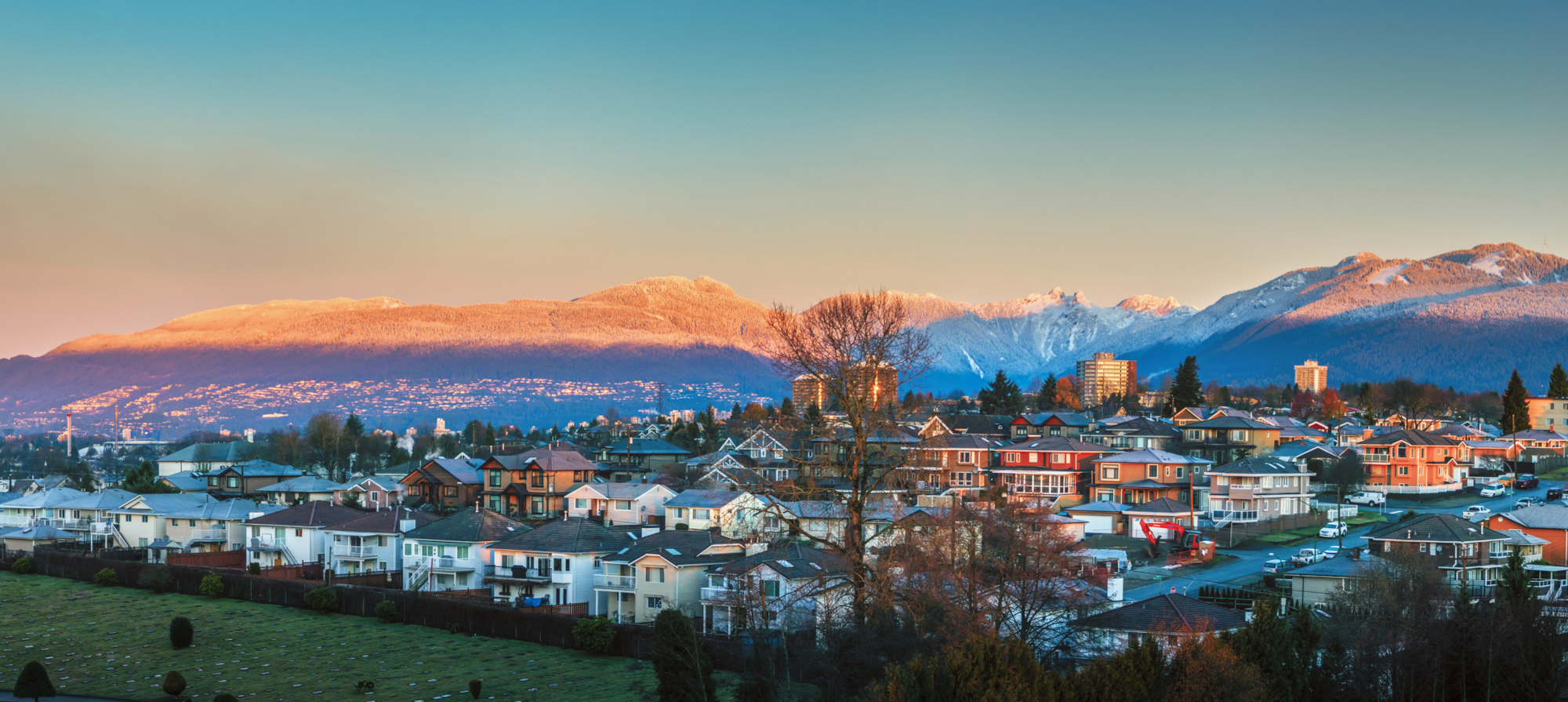
Start searching for your dream home now.
When it comes to convenience, our site is unparalleled. Whether you're in the comfort of your home, or on the go.
Our site works flawlessly on multiple devices so you can find the information you need.